Hey everyone, it’s Jake here from [Your Metal Box Co.]—the guy who fields 10+ questions a day about our metal distribution boxes, and hands down the most frequent one I get is: “Are these things even waterproof?” I swear, I’ve answered this so many times I could probably recite it in my sleep, but lately I’ve been noticing a lot of folks (especially new electricians, or folks putting boxes in weird outdoor spots) have some super wrong ideas about this. Like, they see a “metal box” and assume it’s totally fine out in the rain, or they think any water will just make it short out for good. Today, I’m breaking this down straight, no fancy jargon, no corporate fluff—just the real tea about waterproofing for our metal distribution boxes, because that’s what you actually need to know. Metal Distribution Box
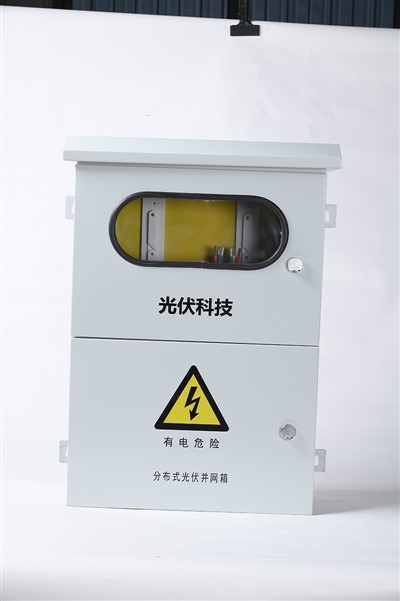
First off, let’s get one thing out of the way right now: there’s no such thing as 100% waterproof. Full stop. Not even our top-of-the-line industrial-grade boxes. The world’s just not that airtight (or should I say, watertight?) for the stuff we build these days. That said, there’s a huge difference between “waterproof” and “water-resistant enough to last 10+ years in your backyard, your warehouse, or that construction site that floods every spring.” A lot of confusion comes from mixing up those two terms, so let’s untangle that first.
When we design our metal distribution boxes, we start with the core material: we use heavy-gauge galvanized steel, sometimes with a powder coat finish that’s way thicker than the flimsy paint you get on cheap hardware store boxes. Galvanized steel’s good because it’s coated in zinc, so it resists rust way better than raw steel—big one, because rust is the #1 enemy of electrical boxes. But even that’s not enough. Rain, humidity, sprinkler systems, even occasional pressure washing for industrial sites—those are all variables, so we build different levels of protection for different uses. That’s where IP ratings come in, right? Wait, I know, IP ratings sound like geeky industry stuff, but trust me, they’re way simpler than they look. IP stands for Ingress Protection, and it’s just a code that tells you how well something blocks out solids (like dust) and liquids (like water).
Let’s keep it super basic here, no need to memorize every number. For our boxes, the two most common ratings people ask about are IP65 and IP67. Let’s break those down. IP65 is our go-to for most outdoor uses—think patio outlets, small construction sites, areas that get regular rain but not full submersion. What does IP65 actually mean? The 6 stands for dust tight—so not a single speck of dust gets in, which is huge because dust can eat away at wiring over time. The 5 stands for liquid protection: it’s resistant to low-pressure water jets from any direction. So a hard rain, a sprinkler aimed straight at it, even a quick rinse with a garden hose? No problem. But what it doesn’t mean is you can dunk it in a puddle for hours. That’s where IP67 comes in. That rating is for full submersion—up to 1 meter deep for 30 minutes. We build these for folks who need boxes in basements that flood occasionally, fountain pump setups, or even temporary underwater installations (like dock lighting). But even IP67 isn’t forever submerged, right? Don’t take that box and drop it in a pond to hide your Wi-Fi router. It’s rated for temporary submersion, not permanent.
Now, here’s the part a lot of people get wrong: it’s not just the box itself. The gaskets and the cable entries matter just as much as the metal. I’ve seen people buy a fancy IP67 rated box, then run cables through a hole they cut with a saw, no sealant, and wonder why it’s full of water after a big storm. The seals are the unsung hero here. All our boxes come with high-quality EPDM rubber gaskets that go between the lid and the main body—these are heat-resistant, don’t crack in cold weather, and form a tight barrier when you tighten the lid screws evenly. We also offer pre-punched cable glands (those are the rubber or plastic seals that go around wires) that are rated for the same IP level as the box. If you’re running cables through custom holes, never skip the weatherproof glands or silicone sealant—drywall mud won’t stop rain, trust me.
Wait, let’s talk about a common myth I hear all the time: “Metal boxes conduct electricity, so they’ll short out if they get wet.” Yeah, if they’re raw metal, no protection, submerged under water, that’s a risk. But our boxes are powder coated, right? That thick electrostatic powder coat is a non-conductive barrier. It doesn’t just prevent rust—it means even if there’s a little condensation or a splash, the metal body won’t carry electricity, and the interior components stay dry. I’ve tested this myself—last month I had a customer call, panicking because their IP65 box got hit by a torrential downpour while they were finishing a job, and they thought all the wiring was fried. When they opened it up, there was a tiny bit of moisture on the inner lid, but the gasket had kept the rest of the box bone dry. That’s the kind of real-world test you can’t get from a textbook.
Now, when is a metal distribution box NOT waterproof? Let’s be real, no product is perfect, and it’s important to know the limits. If you’re putting a box in an area that gets constant heavy submersion (like a boat that’s always in the water), you’d need a specialized marine-grade box—our standard IP67 isn’t built for that 24/7. Also, if you cut corners during installation: skipping the gaskets, over-tightening the lid (which can crack the gasket), or running unprotected wires through the wrong holes. I’ve seen customers buy our boxes, then use silicone caulk instead of the EPDM gasket that came with it—wait, no, silicone’s fine for sealing the gaps, but the rubber gasket is there to make a tight seal without forcing the lid crooked. Don’t skip the parts that come with the box, that’s my biggest tip.
Another thing to consider: temperature. Metal expands and contracts, right? So if you’re in an area with extreme temperature swings—like 100°F in the summer, 20°F in the winter—that can make gaskets shrink or expand a tiny bit over time, which can lead to small gaps. That’s why we use gaskets that are rated for extreme temperatures, so they stay flexible. Our powder coat also doesn’t chip or peel easily, so even after years of sun and rain, the barrier between the metal and the elements stays intact.
Let’s compare metal boxes to plastic ones, just to clear that up too. A lot of people ask which is better for outdoor use. Plastic boxes are light, cheap, but they get brittle in cold weather, and they can crack if something falls on them. Metal boxes? They’re way more durable, rust-resistant, and most importantly, they provide a ground path for electrical systems, which is a safety code requirement in most places. The waterproofing on our metal boxes is just as good, if not better, than high-end plastic ones, because we don’t cut corners on gaskets and coatings. We’ve had customers tell us their boxes are still working perfectly after 15 years out in the elements—plastics would have cracked and failed way before that.
Now, let’s answer the big question again, straight: Are metal distribution boxes waterproof? The short answer is, if you get the right IP rating, install it correctly, and use the right accessories, yes—they’re completely resistant to the kind of water exposure they’re designed for. If you misuse them, or get a box rated for a lower IP than your needs, no, they’ll leak. It’s not a yes/no answer, it’s a “it depends on what you’re using it for” answer, which is why I always tell people to reach out before buying if you’re not sure.
Here’s what I recommend for most people: if it’s a backyard outlet, a patio light box, or a small construction site that gets regular rain, go with our IP65 rated boxes. If you have a space that floods occasionally, or you need to submerge it for a short time, IP67 is the way to go. And whatever you do, don’t try to adapt a box that’s designed for indoor use to outdoor use—indoor boxes don’t have the gaskets or coatings, and they’ll leak the first time it rains.
At the end of the day, the whole point of a distribution box is to protect electrical components, right? Water is the #1 cause of electrical failures and shorts, so skimping on waterproofing isn’t just a hassle—it’s a safety risk. We’ve spent years testing our boxes in all kinds of weather, from the sweltering humidity of Florida to the freezing snow of Minnesota, and they’ve held up every single time. That’s why we stand behind every box we make.
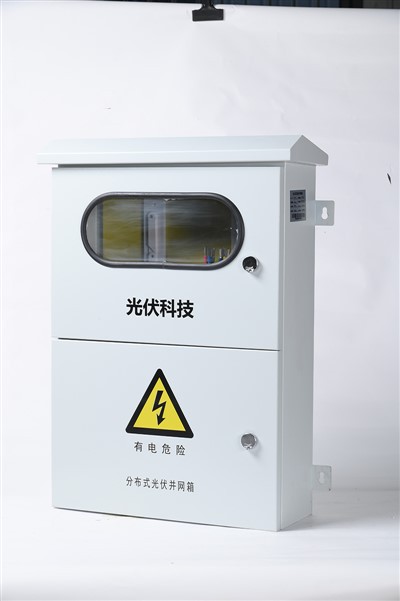
If you’re not sure which box is right for your project, or you have more questions about waterproofing, reach out to our team. We’re not just salespeople—we’re electricians, contractors, and folks who’ve been installing these boxes for decades, so we’ll give you honest advice, no pushy sales stuff. Whether you need one box for a backyard project or a thousand for a large construction site, we’ve got you covered. Don’t guess, get the right box for the job—your wiring (and your wallet) will thank you.
Meter Box References
- International Electrotechnical Commission (IEC) 60529: Degrees of Protection Provided by Enclosures (IP Code)
- National Electrical Code (NEC) Article 312: Wiring Methods and Materials for Outlet, Device, Pull, and Junction Boxes
- ASTM A109: Standard Specification for Steel Strip, Carbon, Cold-Rolled, for General Purpose Use
Shandong Qinghua Yike Electric Co., Ltd.
As one of the most experienced metal distribution box manufacturers in China, we also support customized service. We warmly welcome you to buy durable metal distribution box for sale here from our factory. If you have any enquiry about cooperation, please feel free to email us.
Address: No. 378 Taozhuang Village, Zaoyuan Town, Lanshan District, Linyi City, Shandong Province
E-mail: admin@sd-qhyk.com
WebSite: https://www.qhecobox.com/
