Hey there, let’s cut to the chase: as someone who’s been selling sports bottles for 7 years (yep, I’m the guy who’ll help you fix a leaking bottle at 8pm on a Sunday just because you need it for a morning workout), I get this question ALL. THE. TIME. “Can I pour my daily tea into my sports bottle?” It’s not a random question, either—everyone’s trying to cut back on disposable coffee cups, keep their drinks cold (or hot) for long runs, hikes, or just sitting at a desk all day, and sports bottles are so easy to toss in a gym bag or backpack. But let’s stop the myths, the weird TikTok hot takes, and the “my bottle tasted like metal for a week” horror stories. Let’s break this down, real talk. Sports Bottle
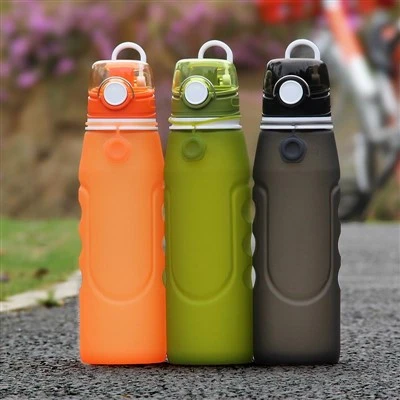
First, let’s talk about what a sports bottle is, anyway. When I say “sports bottle,” I’m not talking about the random cheap plastic thing you get at a gas station for $5 that starts leaking after two weeks. We’re talking about the good ones—BPA-free food-grade plastics (usually Tritan, the stuff we use 90% of the time at our shop), stainless steel, or even glass, though glass is less common for actual sports use. All of these are made to hold stuff that’s not just tap water, right? Wait, but why do people think tea is a problem? Let’s start with the science part that actually matters, not the clickbait stuff.
Tea has two main things that people worry about reacting with materials: acids and tannins. Acids—like citric acid in lemon, or the malic acid that’s in black tea—are mild, way less acidic than soda or orange juice, which I’ve had customers pour into their bottles without a second thought for years. Tannins are those polyphenol compounds that give tea its earthy, sometimes slightly bitter taste, and yeah, they can stain. Staining isn’t a health problem, by the way—your white shirt gets stained too, that doesn’t mean it’s toxic. But people think tannins “corrode” or “react” with the bottle’s lining. Let’s clear that up: if your bottle is food-grade, tested to meet FDA or EU food safety standards (which every single bottle we sell at our shop has, no exceptions), the inner surface is sealed to prevent any material from leaching into your drink. Corrosion would only happen if the material isn’t food-safe, or if you’re using something way more acidic than tea (like bleach, which you should NEVER put in a sports bottle anyway, even to clean it).
Wait, let’s address the metal taste myth— that’s the biggest one. Why does some metal bottle taste like metal when you put tea in? 9 times out of 10, it’s either 1) you didn’t wash the bottle properly the last time you used it, 2) you used a cheap stainless steel bottle that’s not 18/8 food-grade (that’s the stuff we use—18% chromium, 8% nickel, makes it non-reactive for cold drinks), or 3) you left the tea in the bottle for 24+ hours straight, and even then, it’s not leaching metal, it’s just the tannins sitting in the water. I’ve seen this first-hand: a customer brought in their $10 stainless steel bottle last month, complaining their matcha tea tasted like “tin foil.” Turns out they’d left it in the bottle for two days, then only rinsed it once. We helped them wash it with baking soda and warm water, and the taste was gone. That’s not a bottle defect—that’s user error.
Now, let’s talk about the not-so-great parts of putting tea in a sports bottle, because it’s not all perfect (nothing is, right?). First, temperature. If you have an insulated steel bottle, it’s great for keeping tea hot—we’ve tested ours, a black tea stays steaming for up to 12 hours in the winter, which is perfect for a morning hike that turns into an all-day trek. But if you have a cheap plastic sports bottle, not insulated? Your hot tea will be lukewarm in an hour, same as a disposable cup. Also, condensation—if you’re using a cold brew iced tea, a plastic or steel bottle will sweat, same as any other cup, but if it’s in a gym bag, that’s not a huge deal, just toss a paper towel or the bottle’s sleeve in there with it.
Another thing: cleaning. Tea leaves (even loose leaf) can get stuck in small crevices, especially if your bottle has a narrow mouth or a flip-top lid with a sipper spout. That’s not a problem with the bottle being bad—that’s just how tea works. You have to clean it properly, same as you would any reusable cup or tumbler. Here’s my hack that I tell every customer: after you finish your tea, rinse it with warm water right away, then fill it a quarter of the way with warm water and a drop of dish soap, screw the lid on, shake it hard for 10 seconds, then rinse. If you get stuck tea residue, use a bottle brush (we sell these for $2 at our shop, they’re cheap and worth it) to scrub the sipper spout and the inside bottom. Never put your sports bottle in the dishwasher, by the way—high heat can warp plastic or break the vacuum seal on insulated steel bottles. Hand wash only, it takes 30 seconds, I promise.
Wait, what about herbal tea vs. black tea vs. matcha? Does that make a difference? I’ve tested all of them. Herbal tea is the least likely to stain, since it has almost no tannins—perfect for leaving in your bottle for a few hours while you work out. Black tea has more tannins, so it might leave a light brown tint on the inner plastic or steel, but that’s totally normal and won’t affect the next batch of tea (just wash it). Matcha is fine too, but it’s super fine, so it’ll get stuck in the sipper spout—just take the spout apart (most lids come apart, right? If yours doesn’t, ours do) and rinse it under the tap, that’s it.
Now, let’s bust a real myth that I see everywhere online: “don’t put tea in metal bottles, it leaches aluminum.” Wait, when was the last time you drank from an aluminum soda can? That’s aluminum lined with the same epoxy or polymer lining that good sports bottles use. The FDA says that aluminum cans are safe for all acidic drinks, including tea, so there’s no way a properly made sports bottle is leaching anything harmful. The only time you’d get leaching is if you have a cheap, unbranded bottle that doesn’t meet safety standards—those are the ones you should avoid, anyway, because they’re bad for everything, not just tea.
Here’s the thing that’s actually important: is it practical? Let’s say you’re a runner, you bring a sports bottle to the track, you want iced tea instead of water. That works. You’re a hiker, you don’t want to carry a separate tea tumbler? Pour it into your sports bottle, no problem. You’re a student, you bring your sports bottle to class, you hate the cafeteria coffee? Your tea is fine. But wait—what about when you’re done with your workout, and you leave the tea in the bottle all afternoon? Don’t do that. Tea is high in water, so bacteria can grow, same as any other drink. If you’re not going to finish it within 4-6 hours, empty it, wash it, and make a fresh batch later. That’s basic food safety, not specific to sports bottles.
I’ve had customers come to us saying they tried to put tea in a sports bottle and it ruined their bottle, and 9 times out of 10, they did one of three things: 1) used a cheap, non-food-grade bottle, 2) left the tea in there for 2 days, 3) didn’t clean it properly. We’ve had people use our top-tier Tritan plastic bottles for 2 years straight, pouring tea every day, and they look almost new—no stains, no weird tastes. Same with the 18/8 steel bottles we sell; one customer uses his for his morning oolong, takes it on his commute, and has been doing it for 3 years, says it works better than his old tea tumbler because it fits in his car cup holder better.
Wait, let’s compare this to actual tea-specific bottles. Tea tumblers are made for tea, sure, but they’re usually more expensive, and if you’re already carrying a sports bottle for your workouts, trips, etc., why buy two? Sports bottles are built to be durable, to take being dropped, to not leak, and with the right care, they work just as well for tea as any dedicated tumbler. The only time I’d say to get a separate tea bottle is if you’re a super serious tea connoisseur who needs to control temperature exactly for different teas (like green tea which should be at 175°F, not boiling), but for 99% of people, a sports bottle is totally fine.
Let’s wrap this up, real talk. The short answer is: YES, you can use a sports bottle for tea. As long as it’s a food-grade, reputable brand (not the $5 no-name one from the gas station), you wash it properly, don’t leave tea sitting in it for days, and you don’t have ridiculous expectations (like it tasting exactly like it does in a ceramic mug at your favorite café), it works perfectly. No leaching, no weird tastes if you take 30 seconds to clean it, no stains that you can’t get rid of.
At our shop, we get custom orders all the time for people who want bottles specifically for tea—black for hot, clear for cold brew, whatever—and they all come back a month later saying they love it. If you’re someone who’s been on the fence, go for it. Test it with a cheap bottle first if you’re nervous, but if you buy one from a reputable supplier, you won’t have problems.

If you’re looking to stock up, or need a bottle that’s perfect for both workouts and your daily tea, hit us up. We’ve got Tritan plastic, stainless steel, insulated, non-insulated, all food-tested, all made to last. We don’t do the cheap junk that breaks in a week, and we don’t sell anything that’s going to make your tea taste weird. Just shoot us a message to talk through what you need—whether it’s a single bottle for your personal use, or a bulk order for your gym, office, or team. We’re here to help, no hard sales pitches, just real advice from someone who’s been in the sports bottle game for long enough to know what actually works.
Cola Water Bottle References
- U.S. Food and Drug Administration. Food Contact Materials: Polymers.
- World Health Organization. Acidity of Beverages and Food Safety.
- National Sanitation Foundation. Food-Grade Materials for Reusable Drinkware.
- Journal of Food Protection. Bacterial Growth in Reusable Drink Containers.
Jinhua Jinjun E-commerce Co., Ltd.
As one of the most professional sports bottle manufacturers and suppliers in China, we have world-leading production equipment and strong manufacturing capabilities. Please feel free to wholesale high quality sports bottle from our factory. Also, custom service is available.
Address: Room 501, Building 1, No. 98 Yongkang Street, Qiubin Subdistrict, Wucheng District, Jinhua City, Zhejiang Province, China
E-mail: KingJohncupsLimited@outlook.com
WebSite: https://www.kingjohncups.com/
