Hey there! I’m a supplier of reactive dyes, and I often get asked about the ratio of reactive dyes to water in the dye bath. It’s a crucial topic, especially for those in the textile industry who want to achieve the best results in their dyeing processes. So, let’s dive right in and explore this ratio together. Reactive Dyes
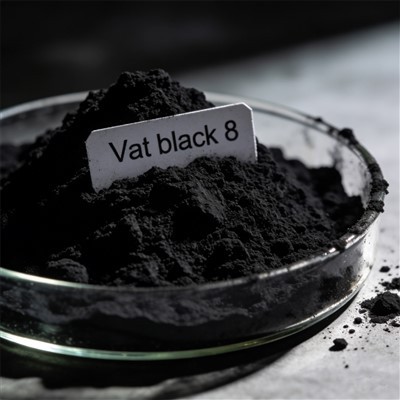
First off, what are reactive dyes? Well, reactive dyes are a type of dye that forms a covalent bond with the fiber during the dyeing process. This makes them super durable and colorfast, which is why they’re so popular in the textile industry. They can be used on a variety of fibers, including cotton, silk, and wool.
Now, let’s talk about the ratio of reactive dyes to water in the dye bath. The ratio can vary depending on several factors, such as the type of fiber being dyed, the desired color intensity, and the dyeing method.
For cotton, which is one of the most common fibers dyed with reactive dyes, a typical ratio might be around 1 – 5% of dye to the weight of the fabric (owf – on weight of fabric), and the liquor ratio (the ratio of water to fabric) is usually in the range of 10:1 to 20:1. What does this mean? Let’s say you have 100 grams of cotton fabric. If you’re using a 2% dye ratio, you’ll need 2 grams of reactive dye. And if you’re using a liquor ratio of 15:1, you’ll need 1500 milliliters (or 1.5 liters) of water.
The reason for these ratios is to ensure that the dye is evenly distributed throughout the fabric. If there’s too much dye and not enough water, the dye might not dissolve properly, leading to uneven coloration. On the other hand, if there’s too much water and too little dye, the color might be too pale.
When it comes to silk and wool, the dye ratios are usually a bit lower. Silk is a delicate fiber, and using too much dye can damage it. A common ratio for silk might be around 0.5 – 2% owf, with a similar liquor ratio as for cotton. Wool also requires a careful approach, and a ratio of 1 – 3% owf is often used.
The dyeing method also plays a role in determining the ratio. There are two main methods: exhaust dyeing and pad dyeing.
Exhaust dyeing is the most common method. In this method, the fabric is immersed in the dye bath, and the dye gradually exhausts from the bath onto the fabric. For exhaust dyeing, the ratios we mentioned earlier are commonly used. The fabric is kept in the dye bath for a certain period, usually around 30 minutes to an hour, to allow the dye to react with the fiber.
Pad dyeing, on the other hand, involves passing the fabric through a dye solution and then squeezing it to remove excess dye. In pad dyeing, the dye concentration in the solution is usually higher because the fabric only comes into contact with the dye solution for a short time. A common ratio for pad dyeing might be around 5 – 10% owf, with a lower liquor ratio.
Another factor to consider is the type of reactive dye. There are different classes of reactive dyes, such as cold – brand and hot – brand dyes. Cold – brand dyes can react with the fiber at lower temperatures, usually around 20 – 40°C. They are often used for delicate fibers or when energy conservation is a concern. Hot – brand dyes, on the other hand, require higher temperatures, around 60 – 90°C, to react with the fiber. They are more suitable for fibers that can withstand higher temperatures, like cotton.
The choice of dye class can also affect the ratio. Cold – brand dyes might require a slightly higher ratio to achieve the same color intensity as hot – brand dyes because they react more slowly.
Now, let’s talk about how to adjust the ratio for different color intensities. If you want a lighter color, you can reduce the amount of dye. For example, instead of using a 3% dye ratio, you can use 1%. Just make sure to keep the liquor ratio consistent. If you want a darker color, you can increase the dye ratio, but be careful not to overdo it. Too much dye can lead to problems like poor wash fastness and uneven color.
It’s also important to note that the pH of the dye bath can affect the ratio. Reactive dyes usually require an alkaline environment to react with the fiber. For most reactive dyes, a pH of around 10 – 11 is optimal. You can use soda ash or other alkaline agents to adjust the pH. If the pH is too low, the dye might not react properly, and you might need to increase the dye ratio to achieve the desired color.
In addition to the dye and water, other chemicals are often added to the dye bath. These include electrolytes, such as sodium chloride or sodium sulfate, which help the dye to exhaust onto the fabric. The amount of electrolyte can also affect the dye distribution and the overall ratio. A common addition is around 10 – 50 grams per liter of water, depending on the dye and the fiber.
So, as you can see, determining the ratio of reactive dyes to water in the dye bath is not a one – size – fits – all situation. It requires careful consideration of several factors, including the fiber type, dyeing method, color intensity, dye class, pH, and the addition of other chemicals.
If you’re in the textile industry and are looking for high – quality reactive dyes, I’m here to help. As a reactive dyes supplier, I can provide you with the best – quality dyes and offer advice on the right ratios for your specific needs. Whether you’re dyeing cotton, silk, or wool, I’ve got the expertise to ensure that you get the best results.

If you’re interested in learning more or are ready to make a purchase, don’t hesitate to reach out. We can have a chat about your requirements and come up with the perfect dyeing solution for you.
Direct Dyes References
- "Textile Dyeing and Finishing" – A textbook on textile processing
- "Reactive Dyes: Chemistry and Application" – A scientific study on reactive dyes
Shandong Inno-Chem Co., Ltd.
As one of the most professional reactive dyes manufacturers and suppliers in China, we offer a wide range of products with superior quality. Please feel free to buy high-grade reactive dyes made in China here from our factory. For price consultation, contact us.
Address: Room 1503, Baisheng Commercial Building, No.22 Qufu Road, Shinan District, Qingdao City, Shandong, China
E-mail: info@innodyeschem.com
WebSite: https://www.innodyeschem.com/
