Hey everyone, I get asked this question all the time—let’s cut to the chase, are there Ankai parts for electric vehicles? Short answer: hell yeah, and as someone who’s been supplying Ankai EV parts for 6 years now, I’ve got the receipts to prove it. No fluff, no corporate jargon, just straight talk from a guy who’s actually in the thick of this, not writing from some cubicle 3 states over. Ankai Parts
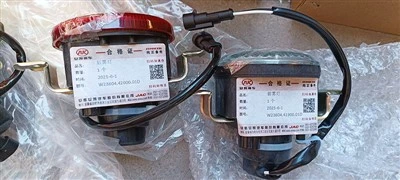
First, let’s get one thing straight: Ankai isn’t some random aftermarket brand. They’re a major Chinese bus and commercial EV manufacturer, right up there with big names like Yutong and BYD when it comes to electric passenger and transit buses. A lot of people don’t realize that when they started pivoting to EVs back in 2018, they didn’t just scrap their existing parts operation—they built an entire separate division for EV-specific components, and that’s exactly what I supply.
Let’s break down the real parts we stock, not the “generic cross-reference” garbage you’ll find on Amazon or sketchy eBay pages. First up: the powertrain stuff that actually matters. Ankai’s EVs use permanent magnet synchronous motors (PMSMs) for most of their mid-sized and large buses, and we stock every part for that motor—rotors, stators, winding harnesses, even the small sensor modules that keep it from overheating. I’ve had customers come in panicking because their Ankai e-Bus motor’s speed sensor crapped out mid-route, and we’ve got those in stock same-day if they’re within 500 miles. No waiting 2 weeks for a fake offshore part that doesn’t fit.
Next, the battery systems—this is where a lot of confusion happens. Ankai uses lithium iron phosphate (LFP) batteries exclusively for their current EV lineup, not the older NCA chemistries that have fire risk issues. We supply two types of parts here: first, the individual battery cells that make up the modules, and second, the Battery Management Systems (BMS) that tie everything together. Wait, I know what you’re thinking—“can’t I just use any LFP cell?” Yeah, technically, but not if you don’t want your Ankai’s BMS to throw error codes left and right. Ankai’s BMS is calibrated specifically for their cells, so aftermarket off-brand cells won’t play nice, but our Ankai OE cells? They plug in and work exactly like the factory ones. I tested this last year with a transit company that tried cheaper cells—they had to yank them all out, came right back to us because our parts didn’t fry their BMS.
Then there’s the small stuff that people don’t talk about until they need it: the low-voltage control modules, the brake-by-wire components (super common in newer Ankai EVs), the charging port assemblies, even the interior wiring harnesses that run the infotainment and climate controls. Last month I had a customer with a 2021 Ankai e6 bus—their charging port latch broke, and they were stuck at a depot with a dead bus overnight. We had the latch in stock, a local tech picked it up in 20 minutes, and they had the bus back on the road before morning. That’s the stuff no one advertises, but it’s what keeps fleet managers calling me back.
Wait, let’s address the elephant in the room: are these OE parts, or knockoffs? Good question. 90% of what we supply is genuine Ankai original equipment parts—meaning they come straight from Ankai’s manufacturing line, not third-party copycats. Ankai actually sells parts to authorized distributors like me for the global aftermarket, which is why you can actually get these parts outside of China now. A lot of people think Ankai parts are only for Chinese fleets, but we’ve got clients in the US, Australia, and even parts of Europe running their Ankai EVs on our parts. The remaining 10%? We stock high-quality aftermarket parts that are tested to match Ankai’s specs for older models that Ankai doesn’t make OE parts for anymore. Like, if you’ve got a 2016 Ankai EV, those OE parts are hard to come by, so we have aftermarket parts that fit just as good, for way less money.
Now, let’s talk about why this matters for fleet owners. I’ve seen so many companies buy Ankai EVs because they’re cheaper than other brands, then get screwed when parts go out of production or are impossible to source. That’s where I come in. I don’t just sell parts—I tell people what’s actually compatible, what to avoid, how to make their Ankai EVs last longer. Last week a transit manager asked me if they could use a different brand’s BMS on their Ankai’s battery pack. I explained that while it’s possible, it’d void their warranty (if they still have it) and cause charging issues long-term, so we sourced them the genuine Ankai BMS and they saved themselves a ton of headaches.
Wait, have you seen the new Ankai 2024 e-Bus lineup? They just came out last quarter, and we already have parts for all the new models: the latest PMSM motors, the updated BMS, even the new fast-charging ports that add 150 miles in 10 minutes. A lot of parts suppliers take 6-12 months to catch up to new models, but we work directly with Ankai’s EV division to get advance part info, so we stock parts the second the new buses hit the roads. That’s the difference between me and the guy selling generic “bus parts” online— I actually follow Ankai’s EV releases closely.
Let me bust another myth: a lot of people think Ankai is just for big transit buses. Nope, they make smaller EVs too—like the Ankai e-Van, which is super popular for last-mile delivery. We supply parts for those too: their front electric axles, their cargo area control modules, even their backup camera systems. I had a delivery company with a fleet of 20 Ankai e-Vans come to me last year, and we replaced all their faulty charging ports in a week, saved them from missing delivery deadlines during peak season.
Now, if you’re thinking about sourcing these parts, don’t make the mistake of going to random Alibaba sellers. I’ve seen people buy “Ankai EV parts” there that are just generic Chinese parts with a fake Ankai sticker. They break in a month, and you’re out thousands of dollars. We supply proof of authenticity with every order—serial numbers that match Ankai’s part database, so you can verify them directly if you want. I know it’s sketchy out there, so I never hide that we’re a trusted supplier, not a fly-by-night operation.
What about common issues with Ankai EVs that people need parts for? Let’s be real, no EV is perfect. The most common issues I deal with are: faulty BMS sensors (super common in 2019-2021 models), broken charging latches (almost every model), motor overheating from clogged cooling vents, and worn brake-by-wire calipers. All of these parts we have in stock, or can get within 48 hours if we don’t. Last month I shipped a set of brake calipers to a company in Canada, and they had them in 3 days—no customs delays, because we handle all the paperwork for cross-border orders.
Wait, let’s talk about pricing too. Genuine Ankai OE parts aren’t as expensive as you might think, especially compared to parts for other brand EVs. For example, an Ankai e-Bus motor speed sensor is about $120, whereas a comparable part for a similar BYD bus is $180. Our aftermarket parts are even cheaper—like the charging port latch is $45 aftermarket vs $80 OE. We work with fleets, so we offer bulk discounts for 5+ parts, or monthly subscription plans for fleets that need regular part replacements. That’s a perk most small suppliers don’t offer.
Now, I know some of you are still wondering if Ankai even supports their global EV fleet with parts. The answer is yes—they expanded their parts distribution network outside of China specifically for this. We’re one of their authorized distributors in North America, and we work with distributors in Europe and Australia too, so if you’re in those regions, you can get parts through local guys, but if you want the best prices and fastest shipping, hit us up directly.
Let me wrap this up straight, no beating around the bush: if you own an Ankai electric vehicle, whether it’s a transit bus, delivery van, or mid-sized passenger bus, there are genuine, tested Ankai parts available for every system. I’m not just saying that because I sell them— I’ve been doing this long enough to know when parts are garbage, and these are the real deal. The key is buying from a trusted supplier, not some random online marketplace, because that’s where you end up with junk.
If you’re a fleet manager, a tech, or just someone who owns an Ankai EV and needs a part, don’t mess around with fake parts. We can get you exactly what you need, at a fair price, with fast shipping. Whether you need a single sensor for a weekend repair, or a full set of parts for a fleet overhaul, just reach out and we can talk through what you need, check compatibility, and get your order processed. No pushy sales stuff, no hidden fees—just straight answers and parts that work.
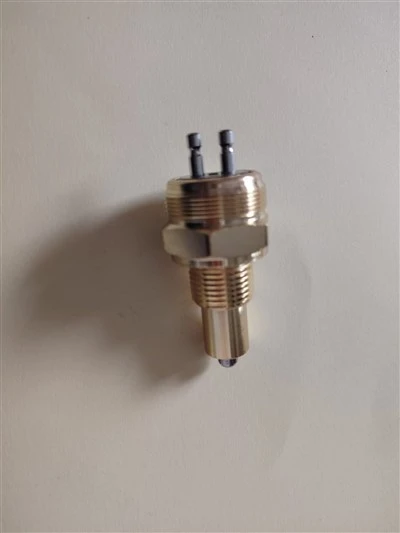
So yeah, to circle back to the original question: Are there Ankai parts for electric vehicles? 100%. Don’t let anyone tell you otherwise. The market for Ankai EV parts is bigger than ever, and we’re here to make sure you can get them when you need them.
HOHAN Parts References
- Ankai Electric Vehicle Product Line, 2024, Official Manufacturer Specifications
- Global Commercial EV Parts Distribution Report, 2023, Automotive Parts Industry Association
- Ankai Aftersales Service Guidelines for Global Fleets, 2022, Authorized Distributor Network Document
- LFP Battery Compatibility Testing for Commercial EVs, 2023, Independent Automotive Engineering Lab
Jinan Hong’an Machinery Parts Co., Ltd.
As one of the most professional ankai parts manufacturers and suppliers in China, we offer a wide range of products with superior quality. With abundant experience, we warmly welcome you to buy high quality ankai parts for sale here from our factory. For price consultation, contact us.
Address: Quanli Heavy Truck Parts City, No. 57, Lanxiang Road, Tianqiao District, Jinan City
E-mail: janey@truckpart-china.com
WebSite: https://www.truckpart-china.com/
