If you’ve ever knelt down to arrange a flower bed, you’ve probably paused at that question. As a decorative landscaping stones supplier who’s walked dozens of residential and commercial yards through this exact decision, I can tell you it’s one of the most common (and most important) ones we get. It’s not a yes or no answer—it’s a “yes, but only if you do it right.” Let’s break down why decorative landscaping stones work for flower beds, the pitfalls to avoid, and how to make them work for your plants, your budget, and your yard’s look. Decorative Landscaping Stones
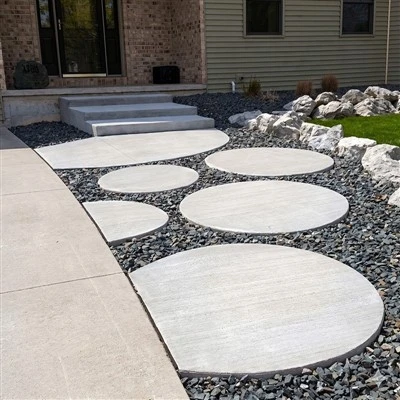
First, let’s talk about what decorative landscaping stones bring to the table that’s hard to beat with mulch, pine straw, or even bare soil. For starters, they’re low-maintenance. I’ve had homeowners tell me they spend an hour a month pulling weeds from their flower beds—using stones eliminates that almost entirely. Unlike organic mulch, which breaks down in a year or two and needs replacing, decorative stones can stay put for a decade or more. That’s a huge win for people with busy schedules, renters who don’t want to commit to yearly upkeep, or anyone who hates the mess of mulch blowing into walkways or sticking to wet shoes.
Then there’s curb appeal. A properly laid bed of stones, in the right size and color, can make flowering plants pop way more than plain soil or brown mulch. A small bed of pink knockout roses surrounded by white pebbles? Striking. Purple salvia grouped with gray river rock? Crisp, modern. We’ve supplied stones for high-end homes where the landscaping is supposed to look intentional year-round, and stones never fade or rot the way organic materials do. In areas with heavy rain or extreme heat, stones hold their shape and color far better than mulch, which can turn mushy or develop mold in wet climates.
But here’s the catch: not all flower beds are made equal, and not all plants play well with decorative stones. Let’s start with the biggest concern: moisture retention. Many flowering plants, like hydrangeas, astilbes, and ferns, love consistently moist soil. Stone beds drain water much faster than organic mulch, which means you’ll need to water more often—especially in the first year after planting. If you live in a hot, dry area, that might not be a problem; in a place with regular rainfall, it could lead to underwatering your plants without you even realizing it. I had a client in Arizona last year who wanted to use flagstone around her vegetable bed (tomatoes and peppers) and thought the stones would hold moisture. Instead, the rocky soil dried out so fast she lost half her crop. We adjusted by adding a layer of landscape fabric and a thin layer of compost under the stones, which helped hold moisture without killing the drainage.
Another issue is root temperature. Stones absorb and hold heat—super helpful for plants that love warmth, like lavender, rosemary, or sedums. But for plants that prefer cooler roots, like hostas or impatiens, that heat build-up can stress them out, especially in the summer months. I always tell people to test the soil temperature under a bed of stones on a 90-degree day: if it’s more than 85 degrees, your cool-season plants might struggle. A quick fix is to lay down a 2-inch layer of compost or leaf mold between the soil and the stones—this acts as insulation, keeping roots cooler in summer and slightly warmer in winter, which is great for perennials that come back year after year.
Weed control is another area where stones can go wrong if you skip a step. If you just lay stones directly on top of grass or existing weeds, those weeds will grow up through the gaps and become almost impossible to pull. The fix here is simple: use a breathable landscape fabric (not plastic, which traps moisture and rots roots) under the stones. Cut the fabric to fit the bed, overlap edges by 6 inches to prevent weeds from sneaking through, and then add your stones on top. We recommend this to every customer who wants stone flower beds, even if they say they don’t have a weed problem. It’s the difference between a bed that stays looking neat and one that’s full of dandelions six months later.
Now, let’s talk about choosing the right stone for your flower bed. Size matters more than you think. For small, delicate flower beds (like a 2×3 bed along a porch step), opt for smaller stones—1 to 2 inches in diameter. Larger stones can overwhelm tiny plants and make the bed look cluttered. For bigger beds, 3 to 5 inches works well; they’re easier to spread, don’t shift around as much, and have a more substantial look. Color is another choice. Neutral tones like gray, tan, or black go with almost any plant and house style, while colored stones (blue granite, red river rock, white marble) can make your plants stand out. Just avoid stones with sharp edges if you have small kids or pets—you don’t want them stepping on broken rock and getting cut.
There are also plants that work really well with stone beds, and ones you should probably avoid. The “stone-friendly” crew includes drought-tolerant perennials: lavender, sedum, thyme, yarrow, and ornamental grasses. These plants thrive in fast-draining soil, and the extra warmth from the stones is perfect for their root systems. They also don’t need a lot of water, so you won’t have to fight the stones’ drainage. Vegetables that like dry soil, like rosemary, thyme, or even some herbs, do great too.
The plants to be careful with are heavy feeders or moisture lovers: hydrangeas, ferns, astilbes, and most leafy greens. If you want to use stones around these, you’ll need to adjust your setup: add more compost, water more frequently, and maybe even install a drip irrigation line under the stones. That way, water gets directly to the roots instead of running off through the stones.
I’ve seen so many beautiful stone flower beds over the years, from a tiny urban balcony with white pebbles and succulents to a sprawling commercial bed of river rock and black-eyed Susans. The best ones aren’t just piles of rocks around plants—they’re planned. Let me share a quick story: a customer in Denver contacted us last spring, saying she’d tried mulch for her bed of black-eyed Susans and coneflowers, but it kept washing away every time it rained. We suggested medium-sized brown river rock, landscape fabric, and a 1-inch layer of compost on top of the fabric. She followed our tips, and by summer, her bed was full of blooms—no weeds, no washed-out mulch, and she only had to water once a week instead of three times. Now she has friends asking where she got her “low-maintenance pretty yard.”

If you’re thinking about switching to decorative landscaping stones for your flower bed, don’t let the small pitfalls scare you. The key is to plan ahead, pick the right stone and plants, and set up the bed correctly. We’ve been supplying decorative landscaping stones for over a decade, and we’ve helped hundreds of homeowners and landscapers make this decision. If you’re not sure what size or type of stone is right for your bed, or if you want help troubleshooting which plants work best with your choice of stone, we’re here to talk through it. Just reach out to our team to discuss your project, and we’ll help you pick the perfect stones that fit your plants, your budget, and your style.
Basalt Rock Fountain References:
- American Society of Landscape Architects. (2021). Low-Maintenance Landscaping: Design and Material Guide. ASLA Press.
- University of California Agriculture and Natural Resources. (2020). Soil Moisture Retention in Ornamental Landscapes. UC ANR Publication 8519.
- Royal Horticultural Society. (2022). Choosing Decorative Aggregates for Garden Beds. RHS Gardening Advice.
- Penn State Extension. (2021). Weed Control in Ornamental Beds: Best Practices. Penn State Extension Horticulture Update.
- Texas A&M AgriLife Extension. (2020). Root Zone Temperature Management for Perennial Plants. AgriLife Publication BOR-2020.
Orin International Trade Co., Ltd.
With abundant experience, we are one of the most professional decorative landscaping stones manufacturers and suppliers in China. We warmly welcome you to wholesale custom made decorative landscaping stones from our factory. If you have any enquiry about cooperation, please feel free to email us.
Address: No.3-1, Shangzhongdi Natural Village, Hexian Village, Shuangta Sub-district, Jiangshan City, Quzhou City, Zhejiang Province
E-mail: atlas@orinstone.com
WebSite: https://www.orinstone.com/
