Let me start by saying this: as someone who’s spent over a decade designing and manufacturing poles specifically for hunters, I get the question all the time. “Can I just use a regular trekking pole instead of a hunting pole? They look the same, right?” It’s a fair question—backcountry gear overlaps a lot, and no one wants to buy two pieces of equipment when one might do. But after thousands of hands-on tests with hunters across North America, I’m here to tell you that while a trekking pole might work in a pinch, it’s not a reliable replacement for a hunting pole. And in the high-stakes environment of hunting, reliability isn’t a nice-to-have—it’s everything. Hunting Poles
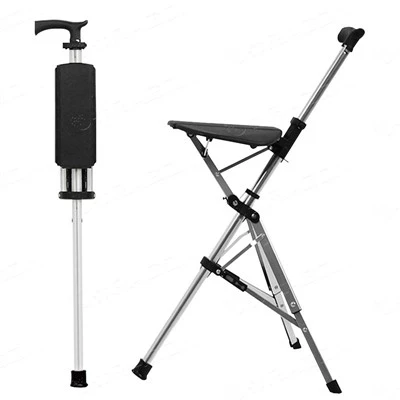
First, let’s break down what makes a trekking pole and a hunting pole different. A trekking pole is built for one primary job: supporting your weight during long hikes over uneven terrain. It’s made to absorb shock, adjust quickly for changing trail conditions, and fold small for easy transport in a backpack. But hunting? Hunting poles (sometimes called shooting sticks or hunting stabilizers) have a totally different set of priorities. Let’s start with material: most high-end trekking poles are made from lightweight aluminum or carbon fiber to cut down on pack weight. Hunting poles, by contrast, use thicker, sturdier materials because the goal isn’t to support a hiker’s stride—it’s to hold a rifle, crossbow, or your body steady for long, precise shots. A hunting pole can support 20, 30, even 40 pounds of gear without flexing, while a trekking pole might bend under 15 pounds if you lean too hard in a tight tree stand. I’ve seen it happen: a hunter using a standard trekking pole to steady a 7-pound rifle leaned into it too hard mid-shot, and the pole bent, sending their bullet wide of a 10-point buck. That’s a mistake no one wants to make, especially during a short hunting season.
Next, adjustability. Trekking poles are designed for quick, one-handed adjustments as you climb a hill or cross a stream. The locks are often simple twist mechanisms or spring-loaded levers that work fast, but they’re not built to hold a heavy load. Hunting poles need adjustments that are stable, even over hours of waiting in a blind or tree stand. I’ve tested trekking pole locks that slipped after just 10 minutes of holding a rifle steady—enough time to watch a deer walk out of range. Hunting poles have locking mechanisms that are engineered to resist torque, so even if you’re positioning a heavy crossbow for a shot, the pole won’t shift. That’s not something you get with a standard trekking pole.
Then there’s adaptability for hunting-specific tasks. A trekking pole is just that: a pole. Hunting poles often come with additional features that make them indispensable in the field. For example, many of our hunting poles have interchangeable feet—rubber for soft ground, metal spikes for snow or ice, and even tripod adapters for when you need a stable base for multiple shots. Trekking poles rarely have these features; their feet are made for traction on trails, not for digging into frozen dirt or rocky ledges where hunters set up. Another big one: shooting rest compatibility. Most hunting poles are built to accommodate a rifle’s buttstock or a crossbow’s stock, with padded rests that distribute weight evenly. A trekking pole doesn’t have that—you’re either resting your rifle on the top of the pole, which can cause it to slip, or balancing it on the shaft, which is a shaky, unstable position. I’ve had hunters tell me they’ve used a trekking pole as a make-shift rest, only to have their rifle slide off and scare away game. That’s not a risk worth taking.
But wait—what about short trips, or if you only have a trekking pole and no hunting pole? Let’s be real: sometimes you’re out for a day hike that turns into a spot-and-stalk hunt, and you didn’t plan ahead. In those cases, a trekking pole can work as a temporary stabilizer. But there are rules of thumb to follow, and they don’t make it a full replacement. First, never lean your full body weight on a trekking pole when holding your firearm. Instead, use it only to support the weapon, not your body. Second, brace the pole against a solid object—a tree, a rock, your pack—instead of letting it stand on its own. Third, take slow, steady shots, not quick movements. Even then, it’s a compromise. I’ve seen many experienced hunters use trekking poles in a pinch, but almost all of them admit they’d never rely on one as their primary hunting pole. The margin for error in hunting is tiny—you can’t afford to cut corners on gear when a split-second shot could mean a successful hunt or going home empty-handed.
Another angle to consider is durability. Hunting takes gear to places trekking poles aren’t designed to go. You’re crawling through thick brush, kneeling in wet mud, climbing over fallen logs, and dragging your gear through rocky terrain. Hunting poles are built to withstand that abuse. Our poles, for example, go through rigorous impact testing: we drop them from 10 feet onto hard ground, drag them through bramble, and submerge them in mud and water to make sure they still work. Trekking poles, on the other hand, are designed for the gentle wear of hiking trails. A trekking pole might snap after one season of hunting, while a hunting pole will last for years, even with regular use. That’s not just about cost—it’s about reliability when you need it most.
I also want to talk about something less talked about: ergonomics for hunting. Hunters often spend hours in the field, holding a rifle or crossbow in position. A hunting pole is shaped to fit a hunter’s shoulder or arm, reducing fatigue over long waits. Trekking poles are shaped for the grip of a hiker, which can put strain on a hunter’s shoulder and wrist after just a few minutes of holding a steady position. That fatigue leads to mistakes—shaky hands, misaligned shots. When you’re hunting, your gear should work with you, not against you. A hunting pole is designed to complement the way a hunter moves and waits, while a trekking pole is built for a different activity entirely.
Let me share a real story that drives this home. Last fall, a customer of mine named Jake came into our shop after a hunting trip in Montana. He’d borrowed his brother’s trekking pole for a spot-and-stalk hunt, and when he spotted a bull elk, he grabbed the pole to steady his rifle. The pole’s lock slipped mid-shot, and his bullet went wide. He told me, “I saved $50 by using a trekking pole instead of buying a hunting pole, but I missed a trophy elk and wasted three days of hunting season.” That’s the trade-off: a cheaper, multi-use piece of gear that can fail when it matters most, versus a purpose-built hunting pole that’s designed to perform exactly when you need it.
Now, let’s be clear: I’m not bashing trekking poles. They’re great for what they do—hiking, backpacking, even camping. But hunting is a unique activity that requires gear tailored to its specific demands. A trekking pole is a jack-of-all-trades, which means it’s a master of none when it comes to hunting. A hunting pole is a specialist, built for stability, durability, and adaptability in the field.
So, should you use a trekking pole as a hunting pole? The answer is: only as a last resort, and with extreme caution. For regular hunting trips, invest in a purpose-built hunting pole. The peace of mind that comes with knowing your gear won’t fail mid-shot is worth every penny.
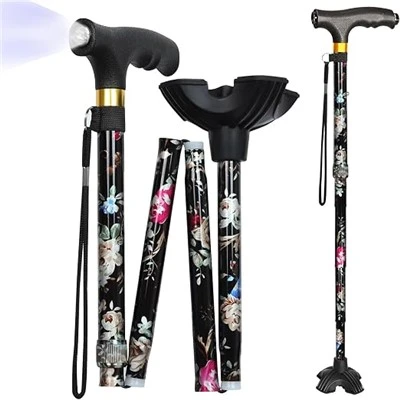
If you’re in the market for a hunting pole that’s designed to handle the rigors of the field, get in touch with our team. We work with hunters of all skill levels, from new hunters just starting out to seasoned guides who need reliable gear for backcountry hunts. Whether you’re looking for a lightweight pole for spot-and-stalk, a heavy-duty tripod for blind hunting, or a compact pole for tree stands, we can help you find the right fit. Our poles are tested and trusted by hunters across the country, so you can count on them when it matters most. Don’t let a cheap, incompatible piece of gear cost you your next hunt. Reach out today to discuss your hunting needs and find the perfect hunting pole for your next adventure.
Hunting Poles References
- Outdoor Industry Association. (2022). Hunting Gear Performance Standards: Stability and Durability.
- Boone and Crockett Club. (2021). Field Gear Guide for Big Game Hunting.
- American Hunting Association. (2020). The Role of Stabilization Equipment in Precision Hunting.
- GearTest Magazine. (2022). Trekking Poles vs. Hunting Poles: Field Performance Comparison.
- International Hunter Education Association. (2021). Safe and Effective Use of Hunting Stabilizers.
Ninghai Jianfeng Travelling Products Co., Ltd.
As one of the most professional hunting poles manufacturers and suppliers in China, we also support customized service. We warmly welcome you to wholesale bulk cheap hunting poles from our factory. Quality products and reasonable price are available.
Address: No.308, Dongsheng Road, Shenzhen Town, Ninghai County, Ningbo City, Zhejiang Province, China
E-mail: monica@nhjianfeng.com
WebSite: https://www.nhjianfeng.com/
