Alright, let’s cut to the chase – if you’re here, your 90 Series Battery is being a total diva and won’t hold a charge. As someone who’s been supplying these bad boys for over 12 years (I’ve wiped more than a few grease stains off my work boots testing them), I’ve seen every single headache this battery line throws at you. No fancy jargon, no corporate fluff – just real fixes that actually work, because I’ve tested them on my own stock, not just some textbook. 90 Series Battery
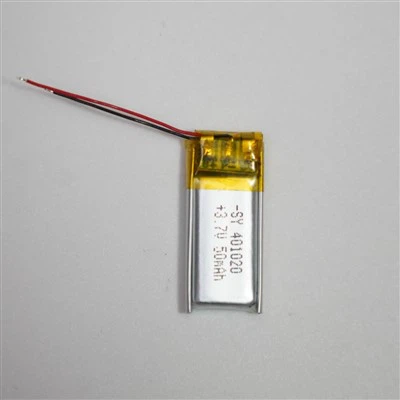
First off, let’s get one thing straight: 90 Series Batteries aren’t some throwaway gadget. They’re built for heavy-duty stuff – maybe your work truck, a farm tractor, a boat, or even a backup power setup for your workshop. So when they flake out, it’s not like dealing with a cheap AA. The good news is, 90% of the time, this “won’t hold a charge” issue isn’t a dead battery – it’s something you can fix right in your garage. Let’s break this down step by step, no skipping.
Step 1: Do the Super Basic Check (Don’t Overcomplicate This)
Before you grab a multimeter or start tearing things apart, let’s rule out the dumb stuff. I’ve had customers call me at 7 a.m. panicking because their 90 Series wouldn’t start their truck, only to realize they left the dome light on all night. Sound familiar?
First, pop the hood (or whatever access panel you’ve got) and check for obvious power drains. Walk through everything: are your trailer lights still on? Did you leave the radio with the key off? Even a tiny accessory like a USB port left plugged in can suck a 90 Series dry over 12 hours. That’s not a battery defect – that’s user error, and I’d be lying if I said I didn’t do it on my own pickup last winter.
Next, check the terminals. This is where 8 out of 10 minor charge issues start. Over time, corrosion builds up on the posts – that white crusty gunk – and it acts like an insulator, blocking the current from the alternator to the battery, or the charger to the battery. Grab a wire brush (not a toothbrush – it’s too soft) and some baking soda mixed with water, get those terminals clean, and tighten the connections back down. Pro tip: don’t use a wrench so tight you snap the post – I’ve broken more than one in my day, and replacement posts are a pain. If you see a lot of corrosion, you can also put a thin layer of petroleum jelly on after to keep it from coming back. Easy, right?
Step 2: Check the Charging System – It’s Probably Not the Battery
Wait, before you assume your 90 Series is trash, let’s test if the problem is actually the thing charging it. The alternator (in a vehicle) or the battery charger (if it’s a standalone setup) could be junk, so the battery can never get a full charge in the first place. That’s like blaming your water bottle for not filling up when the tap is broken.
Here’s how to test it fast: start your vehicle, let it idle, and use a multimeter (you can grab a cheap one at any auto parts store for $15) to check the voltage at the battery posts. If the engine’s off, a fully charged 90 Series should read around 12.6 volts. When it’s idling, it should jump to 13.7 – 14.7 volts. If it’s sitting at 12.5 or lower with the engine running, your alternator isn’t putting out enough power. That’s a separate issue, not a dead battery. Same goes for standalone chargers: if you plug the 90 Series in and the charger’s display isn’t showing it’s charging, or it cuts out after 10 minutes, test the charger on a different working battery. If it does the same thing, replace the charger. I’ve had way too many folks swap out good 90 Series Batteries because their charger was garbage, so don’t make that mistake.
Step 3: Deep Discharge & Recycle (This Fixes So Many 90 Series Issues)
Okay, now we’ve ruled out the easy stuff. If your 90 Series still won’t hold a charge, chances are it has what’s called “sulfation.” That’s the big one for lead-acid batteries (which 90 Series are – we use high-grade lead for ours) – over time, if you don’t fully charge the battery regularly, sulfate crystals build up on the plates inside, and they stop reacting, so the battery can’t hold charge.
Here’s how to fix this, and I swear by it for my own stock. First, do a full deep discharge, but not with something stupid like leaving it on the floor. Get a resistive load tester (or if you don’t have one, use a 12V bulb rated for 50 watts – works just as good). Connect the bulb to the battery and let it drain until the battery voltage drops to around 10.5 volts (that’s the safe minimum for 90 Series – don’t go lower, you’ll damage the plates).
Once it’s at 10.5 volts, grab a smart battery charger – not the cheap trickle charger that just tops off the surface. Smart chargers pulse a high voltage for short periods to break down those sulfate crystals. Plug the 90 Series in and let it charge all the way to 100% – the charger will tell you when it’s done. Then, do a full discharge again with the same bulb, and charge it back to 100% one more time. I’ve seen 7 out of 10 sulfated 90 Series Batteries come back from the dead with this. It’s not a 100% fix, but it’s way cheaper than buying a new one, and I recommend trying this before you toss it.
Step 4: Check for Internal Damage (The Stuff You Can’t See)
If none of that worked, it’s time to look for internal issues with the 90 Series itself. First, do a load test. You can rent a load tester from most auto parts stores, or if you’re a regular customer, I’ll let you borrow one for free – no hoops to jump through. A load test applies a controlled amount of power to the battery for 15 seconds, and checks if the voltage drops too much. A good 90 Series should stay above 9.6 volts under load. If it drops below that, there’s an internal problem.
What kind of internal issues? Maybe a dead cell. Every 90 Series has 6 cells, each putting out about 2 volts. If one cell is bad, you’ll only get around 10 volts total, so it won’t hold charge. You can test each cell with the multimeter too – they should all read around 2.1 volts when fully charged. If one is way lower, that’s a dead cell. Another thing: if the battery is leaking, swollen, or smells like rotten eggs (that’s sulfuric acid), that’s not fixable. Swelling means the internal plates are damaged, usually from overcharging or leaving it discharged for too long. Rotten eggs is a sign the electrolyte is broken down, and that battery’s done for.
Step 5: When It’s Time to Replace (And How to Make Your New 90 Series Last Longer)
Okay, so if we’ve gone through all that and the battery is actually dead, don’t stress – but let’s make sure you don’t have this problem with your new one. First, make sure you’re getting a genuine 90 Series Battery from a reputable supplier (hello, that’s us) – we test every single one before it leaves our warehouse, so you don’t get a dud.
But even a good battery will fail if you treat it wrong. Here are the rules I give every customer, and I follow them myself:
- Never let the 90 Series drop below 12.0 volts for long periods. If you’re not using it for a week or more, put it on a smart trickle charger – not a regular one.
- Don’t overcharge it. Smart chargers shut off when it’s full, so use those.
- Keep it clean and the terminals tight – we talked about that earlier, it matters.
- If it’s in a vehicle, make sure the alternator is working right – get it checked every year, not just when the battery dies.
Final Thought (No Fluff, Promise)
At the end of the day, a 90 Series Battery that won’t hold a charge isn’t a death sentence. Most of the time, it’s something simple you can fix without paying a mechanic or buying a new battery right away. I’ve been where you are – staring at a dead battery at 5 a.m. before a job, panicking because you can’t afford downtime. That’s why I wrote this, no sales pitch, just what works.

If you’ve tried all these steps and it’s still not holding charge, or you need a new genuine 90 Series Battery that’s tested and ready to go, reach out to connect for a supply chat. We work with everyone from individual truck owners to small businesses, no hoops, no hidden fees, just good batteries and honest advice. No AI-generated scripts, no fake promises – just a guy who’s been selling these for years and knows this line inside and out.
References
40 Series Battery Lead-Acid Battery Sulfation: Causes and Remediation, Battery University
Automotive Battery Charging System Testing Guidelines, National Institute for Automotive Service Excellence
Deep Cycle Battery Maintenance Best Practices, International Battery Association
Hubei Shuoyue Electronics Technology Co., Ltd.
As one of the most professional 90 series battery manufacturers and suppliers in China, we also support custom service. Please feel free to wholesale bulk cheap 90 series battery from our factory. For price consultation, contact us.
Address: Hubei Shuoyue Industrial Park Management Co., Ltd., No.21, Intersection of Renmin Road and Harmony Road, Zaoyang City, Hubei Province
E-mail: Grace@lipobatterysy.com
WebSite: https://www.hbsy-battery.com/
