If you’ve ever caught yourself eyeing that jar of golden, sticky mango preserves on your pantry shelf and wondered whether it’s actually good for you, you’re not alone. As a third-generation mango preserves supplier, I get this question all the time. Customers will pop into our market stand, send us emails, slide into our DMs, and even stop me at trade shows to ask: “Is your mango preserves healthy?” For years, I just laughed and said, “It’s made from mangoes, so it’s pretty good—right?” But the older I’ve gotten, and the more I’ve dug into both the science of what’s in our product and what people actually mean by “healthy,” the more I’ve realized this is a question that deserves a real, nuanced answer—no sugarcoating, no misleading hype, no pretending it’s something it’s not. Mango Preserves
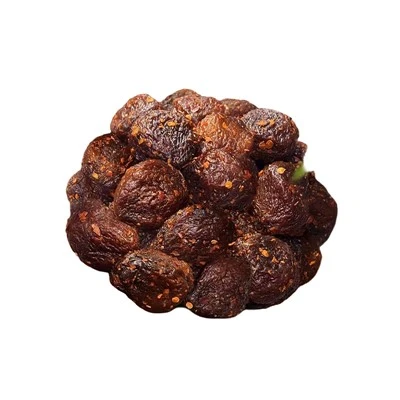
Let’s start with the basics: what is mango preserves, anyway? Unlike candies or syrups that are just sugar and flavor, traditional mango preserves (the kind we make) are made with three core ingredients: ripe mangoes, granulated sugar, and a small amount of lemon juice. We don’t add artificial colors, preservatives, or any weird additives. That’s not just our choice—it’s the traditional method that’s been used in tropical regions for centuries to preserve mangoes long after harvest season, when fresh mangoes are no longer available. Ripe mangoes are naturally sweet, packed with fiber, vitamins, and antioxidants, so the base of our preserves is already nutrient-dense. But the sugar part has everyone confused—and rightfully so.
When people ask if mango preserves are healthy, the first thing they usually fixate on is the sugar content. Let’s be clear: our preserves are sweet, and most of that sweetness comes from added sugar. A typical 1-tablespoon serving of our mango preserves has around 12 grams of sugar. To put that in perspective, the American Heart Association recommends that women consume no more than 25 grams of added sugar per day, and men no more than 36 grams. One tablespoon of our preserves is about half of a woman’s daily limit in one small dollop, and a quarter of a man’s. That sounds high, but here’s the catch: that same 1-tablespoon serving has almost 1 gram of dietary fiber, plus small amounts of vitamin C, vitamin A, and potassium. Fresh mangoes have even more of those nutrients—one cup of fresh mango has about 3 grams of fiber, 100% of your daily vitamin C, and 35% of your daily vitamin A—but when you turn them into preserves, you’re concentrating the natural sugars, and some of the more delicate nutrients (like vitamin C, which is heat-sensitive) break down during the cooking process.
Wait, let’s talk about that cooking process, because it matters. When we make our preserves, we simmer the mangoes slowly with sugar and lemon juice for about an hour. That low-heat cooking helps to set the pectin in the mangoes, which is what gives preserves that thick, spreadable texture—no pectin powder needed, which is a big plus. During this cooking, some of the water in the mangoes evaporates, so every tablespoon is more concentrated in the mango’s natural sugars and nutrients. But vitamin C, which is a water-soluble vitamin, does degrade when exposed to heat. Fresh mangoes have around 36 mg of vitamin C per cup, while our preserves have only about 2 mg per tablespoon. That’s a big drop, but there’s still plenty of other good stuff: vitamin A, which is important for eye health, and antioxidants like mangiferin, a compound that’s unique to mangoes and has been studied for its anti-inflammatory properties.
Now, let’s compare mango preserves to other common spreads. A 1-tablespoon serving of strawberry jam has about 13 grams of sugar, almost the same as ours. Grape jelly is even higher, at around 15 grams per tablespoon. Even honey, which many people consider a “healthy” alternative, has 17 grams of sugar per tablespoon—plus, it’s not suitable for everyone (like young children or people with certain health conditions). The big difference between our mango preserves and other spreads is that ours is made from 100% real mango, no added flavors, no artificial anything. If you’re looking for a spread that’s sweet, has that authentic fruit taste, and doesn’t have a long list of unpronounceable ingredients, our mango preserves is a way better choice than most other options on the shelf.
But that doesn’t mean it’s a health food. Let’s be honest: no amount of mango fiber or vitamins makes a tablespoon of sugar a health food. Mango preserves is a treat, a spread, a way to add a burst of tropical flavor to your toast, yogurt, or even savory dishes (we’ve had customers use it as a glaze for chicken, or mix it into salad dressings). The key is moderation, and understanding what you’re getting. If you eat an entire jar of mango preserves in one sitting, you’re going to consume way too much sugar, no question. But if you use it the way it’s meant to be used—one tablespoon at a time, as a topping or a flavor booster—it can be part of a balanced diet.
I’ve seen so many misleading claims online about “healthy fruit spreads” that use added sugars but call themselves “all-natural” and make it sound like you can eat them every day without any consequences. That’s not true, and I’d never say that. As a supplier, I want to be transparent with my customers, even if it means telling them something they don’t want to hear. Our mango preserves is good, it’s made with real mangoes, it’s delicious, but it’s not a superfood. It’s a sweet, fruity spread that you can enjoy in small amounts, just like a cookie or a piece of dark chocolate.
There’s also the question of added sugar vs. natural sugar. Some people will argue that since the sugar in mango preserves comes from mangoes, it’s better than added sugar. But when you concentrate the sugar through cooking and removing water, the line between natural and added sugar gets blurry. The sugar in our preserves is a mix of natural sugar from the mangoes and the granulated sugar we add. We add sugar not just for sweetness, but because sugar is a preservative—without enough sugar, the jar would go bad quickly, even in the fridge. For small-batch, artisanal preserves like ours, that sugar is necessary to make it shelf-stable and safe to eat, without any artificial preservatives.
What about the myth that preserves are full of “bad” sugar? Let’s look at the science. Added sugar, when consumed in excess, is linked to weight gain, type 2 diabetes, and heart disease. But that’s when you’re eating way more than your daily limit, from sources like soda, candy, and pastries. A tablespoon of mango preserves isn’t going to derail your diet, especially when paired with protein and fiber from your toast (like whole-grain bread and peanut butter, for example). The fiber in the toast and peanut butter will slow down the absorption of the sugar from the preserves, so you won’t get that spike in blood sugar that you would if you ate the preserves alone.
I’ve had customers who are diabetic ask me if they can eat our mango preserves. The honest answer is: it depends on their blood sugar levels and how much they eat. We recommend that people with diabetes consult with their healthcare provider, but many of our diabetic customers tell us that they can have a small amount of our preserves (like half a tablespoon) as part of a balanced meal, without their blood sugar spiking too much. That’s not something we brag about, but it’s true, because the mango preserves has fiber and nutrients, unlike pure sugar.
Another thing to consider is that not all mango preserves are created equal. As a supplier, I’ve seen so many brands on the market that cut corners: they use low-quality mangoes, add corn syrup instead of sugar, add artificial flavors and preservatives, and even fill their jars with more sugar than fruit. Our mango preserves is different because we source our mangoes from small family farms in southern Thailand, where the mangoes are grown in rich soil and harvested when they’re perfectly ripe. We don’t use any corn syrup, no preservatives, no artificial anything, because we believe that if you’re going to eat a fruit preserve, it should taste like real mango—nothing more, nothing less. That’s why many of our customers come back year after year, because they can taste the difference between our product and the mass-produced stuff.
Let’s also talk about a common misconception: that all processed foods are unhealthy. Cooking and preserving food isn’t inherently bad. For centuries, people have preserved food to make it available when fresh food isn’t in season, reducing food waste and making nutritious food accessible to more people. Our mango preserves is a perfect example: during mango season, tons of ripe mangoes go to waste because they can’t be shipped far or stored for long. By turning them into preserves, we’re keeping those nutrients (even if some are lost) and that delicious fruit flavor alive, so people can enjoy mangoes all year round. That’s a benefit of preserves that a lot of people overlook.
So, putting it all together: is mango preserves healthy? The answer is: it’s not a health food, but it’s not as bad as many people make it out to be. It’s a sweet, flavorful spread made from real mangoes, with a small amount of added sugar, and it can be part of a balanced diet when enjoyed in moderation. It has nutrients and antioxidants that you won’t find in other sweet spreads, and it’s made with simple, unprocessed ingredients, unlike most mass-produced options.
As a mango preserves supplier, I’d never try to sell you something that’s unhealthy and lie about it. I want you to love our product, and I want you to feel good about eating it. If you’re someone who avoids added sugar at all costs, then our mango preserves probably isn’t for you—we have other products that are lower in sugar, made with less sugar, for people who want that. But if you’re someone who loves real mango flavor, doesn’t mind a small amount of added sugar, and is looking for a spread that’s simple and delicious, our mango preserves is a great choice.
We supply to cafes, grocery stores, and specialty food shops, and we’re always looking for new partners who want to offer their customers a high-quality, authentic mango preserves. If you’re a buyer, a chef, or a shop owner looking to add something new to your menu or shelf, we’d love to talk. Whether you’re interested in bulk orders, custom labels, or just learning more about how we make our preserves, feel free to reach out to us to discuss partnership opportunities.
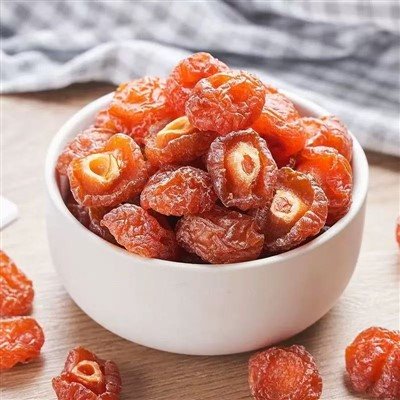
At the end of the day, food should be enjoyed, not feared. Mango preserves isn’t a superfood, but it’s a way to add a little bit of tropical joy to your day, made with real fruit and care. That’s something I’m proud of, and I hope you get to taste it soon.
Apricot and Plum References
- U.S. Department of Agriculture. FoodData Central: Mango preserves. https://fdc.nal.usda.gov/ (accessed October 2024)
- American Heart Association. Added sugars: What you need to know. https://www.heart.org/ (accessed October 2024)
- World Health Organization. Guideline: Sugars intake for adults and children. https://www.who.int/ (accessed October 2024)
- Surveswaran, S., et al. (2007). Radical scavenging activity, phenolics and mangiferin content of Indian mango (Mangifera indica L.) cultivars. Journal of Agricultural and Food Chemistry. https://pubs.acs.org/ (accessed October 2024)
- National Center for Home Food Preservation. Making jams and jellies. https://nchfp.uga.edu/ (accessed October 2024)
Gayafru Food (Hangzhou) Co., Ltd.
Address: 2nd Floor, Building 5, No.513-523 Shunda Road, Economic and Technological Development Zone, Linping District, Hangzhou City, Zhejiang Province, China
E-mail: shenhuafang216@foxmail.com
WebSite: https://www.gayafru.com/
