Hey everyone, it’s Jake here from the pneumatic power drilling and bolting squad, and today we’re breaking down a question I get at least once a week from mine operators, safety teams, and even folks new to the industry: can pneumatic roof bolters actually get the job done in coal mines? Let’s cut through the confusing industry jargon, skip the fancy whitepaper fluff, and talk real, on-site use cases, because that’s what matters most when your job is keeping a mine safe and production moving. Pneumatic roof bolter & drilling machine
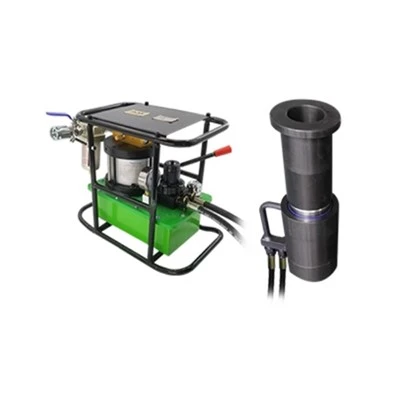
First, let’s get one thing straight—coal mining has evolved a ton from the days of pickaxes and manual labor, right? Now it’s all about bolted roof support, because that’s the #1 thing keeping miners safe from falls of ground, which is still the biggest risk in underground coal operations. Roof bolting means drilling holes into the mine roof, inserting a bolt, and securing it with resin or grout to lock loose rock in place, and the tool you use for that is non-negotiable. For years, electric roof bolters dominated the space, but lately, pneumatic ones have been popping up everywhere, so let’s talk about why that’s happening, and if they’re actually reliable in coal mines specifically, not just random construction sites.
Let’s start with the biggest win for pneumatic tools in coal mines: safety. Wait, I know what you’re thinking—pneumatic runs on compressed air, which just sounds like air, but let’s back that up with actual mine safety standards. MSHA (the US Mine Safety and Health Administration, for anyone not in the loop) has super strict rules about explosive atmospheres in underground coal mines, especially areas with methane or coal dust buildup. Electric tools, even the “explosion-proof” ones, have tiny sparks from motors, switches, or loose wiring that can ignite that mix of gas and dust. Pneumatic tools? They have no electrical components. Zero. All the power comes from compressed air flowing through hoses, turning a motor, so there’s zero spark risk. That’s a game-changer for mines in gassy seams—we’ve had multiple operators switch from electric to pneumatic bolters specifically to pass MSHA inspections faster and cut down on near-miss reports related to tool sparks.
But wait, do pneumatic bolters hold up to the harsh conditions in coal mines? Let’s talk durability. Underground coal mines aren’t exactly a nice workspace—constant humidity, coal dust everywhere, rough terrain, heavy vibration from other machinery around. I’ve seen electric bolters burn out in 6 months because dust gets into the motor and clogs the cooling vents, or wiring gets frayed from being dragged around the mine. Pneumatic tools, though? They’re built with steel housings, sealed air paths that keep dust out, and way fewer moving parts that can fail. I remember a mine manager in West Virginia told me last year he ran one of our pneumatic roof bolters 10 hours a day, 6 days a week for 18 months straight before it needed a basic seal replacement. That’s way better than the 3-4 months he was getting from his old electric units. And let’s not forget about maintenance—pneumatic tools don’t need oil changes, motor overhauls, or expensive electrical part replacements. All you need is a good air filter on your compressor, and a quick wipe down after each shift. That cuts downtime, which is huge when every minute of production costs money.
Now, let’s address the thing that people always bring up: power and performance. Are pneumatic bolters strong enough to drill through hard coal, shale, and rock that’s common in mine roofs? Short answer: yes. We design our pneumatic bolters specifically for coal mine applications, with torque settings that are adjustable—you can dial down the torque for soft coal roofs and crank it up for harder sandstone or limestone. A lot of people think pneumatic tools are weaker than electric, but that’s only true for light-duty stuff. Our heavy-duty pneumatic roof bolters put out 500 ft-lbs of torque on the high end, which is more than enough for the deepest roof holes (we’re talking up to 10 feet, which is standard for deep mine seams). I’ve even had operators tell us they use the same pneumatic unit to drill for bolt holes and smaller blast holes for face development, so they don’t need two separate tools. That’s a cost saver right there.
But wait, let’s be real—pneumatic tools aren’t perfect for every scenario, right? I don’t want to sit here and sell you something that has zero downsides. Let’s talk about the caveats, because any good mine operator knows that the tool has to fit the job. The main downside is that you need a reliable compressed air system. If your compressor is down, your bolter is down. But modern mine compressors are super reliable these days, and a lot of mines already have a dedicated compressed air network for other tools—jackhammers, loaders, ventilation fans. So adding pneumatic roof bolters to that existing network doesn’t require a huge new investment, unlike installing separate electrical systems for new electric tools. The other thing to note is that air hoses can be cumbersome if you’re moving bolters around a long wall face, but we’ve fixed that with lightweight, flexible hoses that are kink-resistant, so you can maneuver the bolter without dealing with a tangled mess. Some operators also use portable air compressors for smaller, shorter-term operations like exploration drives, so they don’t need a permanent air system just for bolting.
Let’s get into actual real-world use cases, because that’s what matters. Last year, we supplied a set of pneumatic roof bolters to a longwall mine in Pennsylvania that was dealing with a lot of methane buildup and high turnover on their maintenance team for electric tools. They switched over, and their MSHA inspection pass rate went up 15% because they had zero spark-related violations. Their bolter downtime dropped by 70%, so they got 2 more hours of production a day, which translated to an extra $40k a week in revenue from that section alone. Another mine in Australia, which has super hard rock roofs, used our heavy-duty pneumatic bolters for a new decline drive, and they drilled 500 bolt holes in 3 days, which was 2 days faster than they could do with their old electric bolters. That’s not luck—that’s designed for the conditions.
Now, let’s talk about why this matters for the future of coal mining. A lot of people think coal is dying, but the reality is that underground coal production is still growing in many parts of the world, and safety is the #1 priority for every operator. MSHA is updating their rules to be even stricter about ignition sources, and many mines are moving away from electric tools not just for safety, but for long-term cost savings. Pneumatic roof bolters check all the boxes: safer than electric, more durable in harsh mine conditions, lower maintenance, enough power for all roof types, and compatible with existing mine infrastructure.
But let’s make sure we’re not overselling it. If you’re running a small surface coal mine that only needs bolting for temporary stockpile areas, pneumatic might be overkill—electric is cheaper for light use. If you’re operating in a space where electrical power is extremely limited, you might need a diesel-powered bolter, but that’s rare in underground mines because of emissions. For 90% of underground coal mine operations that use bolted roof support, pneumatic is a no-brainer.
Here’s the thing I tell every new operator I talk to: don’t listen to outdated opinions that pneumatic tools are weak or unreliable. The pneumatic bolters we build aren’t the same ones you used on construction sites 20 years ago. We design every part specifically for mine use—sealed housings to keep coal dust out, reinforced gears for constant high torque, and adjustable controls that let you work with different bolt sizes and hole depths.
If you’re a mine manager, safety supervisor, or maintenance lead reading this and you’re curious if pneumatic roof bolters can work for your operation, let’s chat. We don’t do high-pressure sales pitches—we come out to your site, take a look at your mine conditions, your current tool setup, and what your production goals are, and we can put together a customized plan for you. Whether you’re running a small room and pillar mine or a large longwall operation, we can help you figure out if pneumatic is the right fit, and if so, what size and type of bolter will work best for you. No obligation, no hidden fees, just real advice from a team that’s been working with mine tools for years.
Before I wrap up, I want to make sure I cover one more common question: what about dust control? Wait, pneumatic bolters produce less dust than electric ones, right? Because the air flow actually helps to clear the drill hole as you work, so you don’t have to stop and blow out the hole with an extra tool. That’s another small win—less dust means a healthier work environment for miners, and less cleanup time for the crew.

At the end of the day, the goal of any roof bolter is simple: keep miners safe, keep production moving, and keep costs low. Pneumatic roof bolters have proven themselves in coal mines time and time again, and they’re only getting better as technology advances. If you’re tired of dealing with frequent tool failures, high maintenance costs, and safety concerns with electric bolters, it might be time to give pneumatic a try.
Hydraulic Cutting Tools References:
- Mine Safety and Health Administration. (2022). Ignition Hazard Assessment for Underground Coal Mining Equipment. U.S. Department of Labor.
- International Society for Mine Safety and Technology. (2021). Roof Support Technology Update for Underground Coal Mines. ISMT Proceedings.
- National Institute for Occupational Safety and Health. (2020). Pneumatic versus Electric Roof Bolter Performance in Harsh Mining Environments. NIOSH Publication.
- Australian Institute of Mining and Metallurgy. (2022). Tooling Solutions for High-Seam Underground Coal Operations. AusIMM Bulletin.
Changzhou Truyou Mining Equipment Co., Ltd.
Address: No. 186 Hongxi Road, Niutang Town, Wujin District, Changzhou City, Jiangsu Province
E-mail: info@truyoucoalmining.com
WebSite: https://www.truyoucoalmining.com/
