Hey everyone, quick question for you – if you’re a beekeeper, small-batch honey producer, or even just someone who’s ever wondered about how your favorite jar of honey goes from the comb to your shelf, you’ve probably thought at some point: Can a food refining machine actually refine honey? As someone who’s been in the food refining machine supply game for over 8 years now, I get this question all the time – and it’s way more nuanced than a simple yes or no. Let’s break this down like we’re chatting over a coffee (or, let’s be real, a spoonful of good honey, since we’re talking about it) no boring jargon, just straight talk. Food Refining Machine
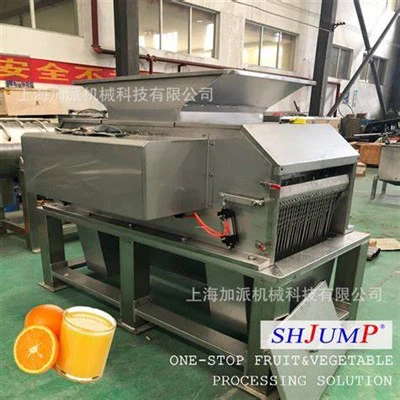
First, let’s get on the same page about what “refining honey” even means, because a lot of folks mix up terms here. When people say refine honey, they’re usually thinking of two key things: getting rid of the yucky stuff (bee parts, wax bits, pollen clumps, maybe even tiny debris that gets mixed in during harvest) and making it super smooth, no crystals at all – that store-bought liquid-gold consistency everyone loves. Wait, but hold on – some honey is supposed to be crystallized, right? Like that creamy, spreadable honey you put on toast. But for most commercial brands and even a lot of artisanal producers, refined honey means that clear, pourable stuff that doesn’t turn grainy on your shelf after a week.
Now, what does a typical food refining machine do, anyway? We supply these machines for all kinds of food – from nut butters and peanut butter to fruit purees, even things like chocolate and nut oils. Most food refining machines (the ones we sell) use a process called “homogenization” and filtration at the same time, right? They force the product through tiny, precision-sized screens under controlled pressure, which breaks up any solid particles that are too big and strains out the unwanted gunk. But wait – honey’s different from peanut butter, obviously. It’s way thinner when it’s warm, but super viscous when it’s cold. That’s where a lot of people get confused: can you use a standard food refining machine for honey, or do you need a custom setup?
Let’s start with the basics: can you use a standard food refining machine (the ones we supply) for basic filtration? Yes, actually – but only if you adjust the settings properly. Here’s the thing: raw honey straight from the comb isn’t just “pure honey” – it has tiny wax particles, bee fragments (super small, like, microscopically small, but they’re there), and sometimes clumps of pollen that can be visible if you hold it up to the light. A lot of artisanal producers want to remove those to make their honey look clearer, which is where our refining machines come in. But here’s the catch: if you crank the pressure too high, you’ll break down the natural pollen and some of the beneficial enzymes in honey, which is a big no-no for people selling “raw” or “unprocessed” honey.
Wait, let’s talk about crystallization too – because that’s another part of refining honey. A lot of people want their refined honey to stay liquid, right? Because if honey crystallizes, it’s hard to pour, and consumers often think it’s “bad” even though it’s totally safe. Our food refining machines can help with that, but again, it’s not a one-size-fits-all. Here’s how it works: when honey crystallizes, it’s because glucose molecules are forming tiny crystals that get tangled up with each other. A good refining machine (with the right screen size and temperature control) can break those initial tiny crystals apart, and also prevent new ones from forming later. But you can’t do that with a standard machine – you need to add a temperature regulating jacket, which is an optional upgrade we supply with most of our refining units for honey.
Let me give you a real example, because that’s the stuff that matters. Last year, we worked with a small beekeeping operation in Ohio that was selling 5-gallon buckets of raw honey at farmers markets, but they wanted to start selling retail jars at local grocery stores. Their problem: when they filtered their honey with a old hand-press filter, it still had tiny wax specks, and within a month, half their jars were crystallized, so grocery stores wouldn’t take them. We hooked them up with one of our mid-sized food refining machines, adjusted the screen size to 30 microns (that’s tiny – like 1/2000 of an inch, way smaller than a grain of sand), and added the temperature control set to 95 degrees Fahrenheit, which is the sweet spot for honey processing. Now their honey’s clear, stays liquid for 6+ months, and they’re selling to 12 local stores – that’s a real win, no exaggeration.
But wait, is there a time when a food refining machine CAN’T refine honey? Let’s be honest, no company’s perfect, and we’re not going to lie to you. If you try to use a machine designed for thicker products (like our nut butter refiners) on unheated honey, you’re going to have a bad time. Honey’s viscosity is super sensitive to temperature – at 70 degrees, it’s about as thick as maple syrup, but at 50 degrees, it’s almost solid. If you run cold honey through a machine not rated for high viscosity, you’ll clog the screens, burn out the motor, and waste a batch of honey. That’s why we always tell potential customers: tell us how you’re planning to use the machine, what type of honey you’re processing (raw, creamed, commercial), and what your end product needs to look like, and we’ll build you a setup that works. No pushing a machine that’s wrong for you, that’s just bad for business – and bad for our reputation.
Another common myth: a lot of people think refining honey with a food machine means it’s no longer raw. Wait, let’s clear that up right now. If you use a machine that doesn’t heat the honey above 104 degrees Fahrenheit (the temperature at which honey’s enzymes start to break down), then it’s still raw. That’s a non-negotiable for us – all our honey-specific refining machines have temperature controls that cap at 102 degrees, so you get the clarity you want without killing the good stuff. The Ohio beekeepers I mentioned earlier? Their honey is still certified raw, because we didn’t go over that 104-degree mark. If you want ultra-refined, clear honey for mass retail, you can bump the temperature up a little (to 120 degrees) to make it even smoother, but that’s for commercial products, not raw.
Let’s talk about some of the cool add-ons we have for honey processing that you might not know about. A lot of customers ask about degassing, right? When you harvest honey, it has tiny air bubbles trapped in it, which can make it frothy in jars. Our food refining machines can be fitted with a degassing chamber that removes those bubbles, so your honey looks even clearer, no foam on top. Also, for people making creamed honey (that spreadable stuff), our machines can actually break down the large sugar crystals and mix in the right amount of seed crystals, so you don’t have to do that manually. That’s a big time-saver for small producers who used to stir honey for hours to get the right consistency.
Now, let’s get to the “why” this matters. If you’re a beekeeper or a small honey producer, you might be thinking: why do I need to refine my honey? Can’t I just sell raw honey? Sure, you can, but there’s a huge market for refined honey – grocery stores want it, online retailers sell it faster, and consumers often prefer it for baking, mixing into drinks, or even using as a sweetener in restaurants. But the key is using the right food refining machine, not a random one. A lot of cheap machines you might find online aren’t designed for honey, so they’ll either damage the honey or not do a good enough job, wasting your time and money.
Wait, let’s address a question I get all the time: “Can your food refining machine replace the traditional honey straining method?” For most small producers, traditional straining (using cheesecloth or fine mesh) works, but it’s slow, it wastes a lot of honey, and you can’t get that super clear, crystal-free consistency without multiple straining steps. Our machines process 10 times more honey in an hour than a manual straining setup, and they reduce honey waste by like 90% – that’s a huge difference when you’re producing hundreds of gallons a year.
But here’s the thing – we’re not just selling machines. We’re in the business of helping producers get their honey to market the way they want. A few months ago, a guy in Texas reached out to us, he had a small operation making creamed honey for farmers markets, and his old machine was breaking down every time he processed 50 gallons. We helped him adjust his machine’s screen size and added a smaller motor that was rated for lower viscosity, so now he processes 200 gallons a week without any issues. That’s the kind of stuff we do, not just sell equipment.
So to circle back to the original question: Can a food refining machine refine honey? The short answer is yes – but only if it’s the right machine, set up for honey’s unique properties, and calibrated for your specific end product (raw vs commercial, liquid vs creamed). You can’t use a standard nut butter machine or a juice refiner and expect great results, but a food refining machine built for honey is a game-changer for any producer looking to scale up their honey sales or make a product that’s more marketable.
If you’re thinking about refining your honey and want to make sure you get the right setup for your needs, don’t guess – talk to someone who actually knows honey processing, not just general food machinery. We’re here to answer all your questions, walk you through the specs, and help you figure out what machine will work best for your volume, your honey type, and your end goals. No sales pitch, no jargon, just straight talk about what works for your business.
Let’s be real, honey’s a pretty special product – it’s made by bees, it’s used in food, medicine, even skincare sometimes. We don’t want to mess with that, we just want to help you make it look and sell better. That’s why all our honey refining machines are built with that in mind – to preserve the good stuff, remove the bad stuff, and give you a product that you can be proud of.
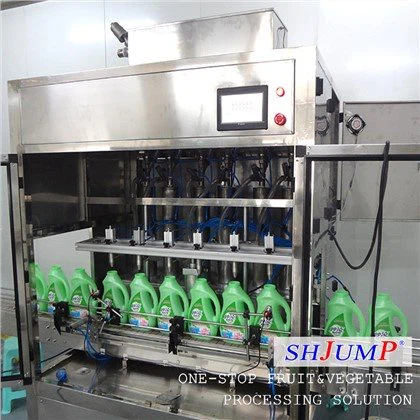
If you’re ready to stop guessing about what machine to use and start refining your honey the right way, reach out to us to chat through your requirements. We’re here to help.
Fruit Washing Machine References
- National Honey Board. (2022). Honey Processing and Production Standards. Retrieved from industry resource materials for food and beverage producers
- Food and Agriculture Organization of the United Nations. (2021). Viscosity Characteristics of Honey and Industrial Processing Equipment. Agricultural Engineering Bulletin
- Journal of Apicultural Research. (2020). Effects of Filtration Methods on Honey Enzyme Activity and Pollen Content. Peer-Reviewed Research
Shanghai Jump Machinery & Technology Co., Ltd.
Shanghai Jump Machinery & Technology Co., Ltd. is one of the most professional food refining machine manufacturers and suppliers in China, featured by good service and competitive price. Please rest assured to buy high quality food refining machine for sale here from our factory.
Address: No. 58, Pengqing Road, Kunshan Town, Suzhou District, Jiangsu Province, China
E-mail: info@sinojump.com
WebSite: https://www.shjumpmachine.com/
