If you’ve ever stared at a cheap plastic fountain pen at a airport kiosk or office supply store, frowning because you reach for it every time you need to sign a document but toss it three months later, you’ve probably wondered the same thing: are plastic fountain pens eco-friendly? As someone who’s spent a decade running a plastic fountain pen supply business, I’ve fielded this question more times than I can count—from schools ditching disposable pens for long-term tools, from eco-conscious bloggers testing writing gear, and even from small businesses looking to cut waste without breaking their budgets. It’s not a simple yes or no, and I’m not here to give you a corporate fluff answer. Let’s break this down the way I break it down for a high school art teacher who wants to reduce their classroom’s pen waste, or a freelance writer who’s tired of throwing away half a dozen disposable pens a month. Plastic Fountain Pens
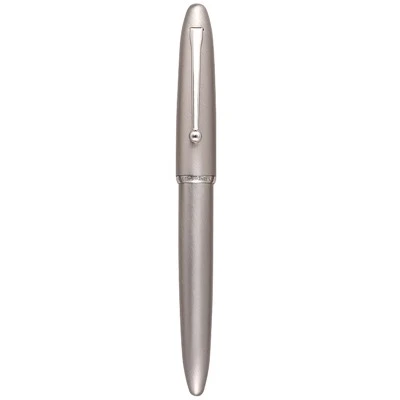
First, let’s get the facts straight about what most plastic fountain pens are made of, because not all plastic is the same. A lot of people group all plastic pens into the “single-use” category, but that’s a myth. The cheap, throwaway fountain pens you might pick up for a dollar? Sure, those are usually made of low-density polyethylene (LDPE) or polystyrene (PS), hard plastics that break down extremely slowly—estimates from the EPA suggest single-use plastics can take 20 to 500 years to decompose in a landfill, depending on conditions. But the plastic fountain pens we supply? We use food-grade polypropylene (PP) for the body and stainless steel for internal components, not the flimsy stuff. PP is different: it’s rigid, durable, and it’s a thermoplastic, meaning it can be melted down and remolded into new products hundreds of times without losing quality. When you compare that to glass fountain pens, which are heavy, fragile, and often end up discarded when they crack, or metal fountain pens that require machining rare metals like brass or aluminum—mining which has its own environmental costs—plastic strikes a balance that’s often overlooked.
But let’s address the elephant in the room: what happens when a plastic fountain pen reaches the end of its life? A lot of eco-critics will point to plastic’s “persistence” as a flaw, and they’re not wrong—if a pen is discarded improperly, it will hang around. But here’s something most casual writers don’t know: a well-made plastic fountain pen can last 10, 15, even 20 years if cared for. I have a customer in rural Ohio who told me she’s had the same plastic fountain pen from our first production run back in 2012. She uses it every day for grocery lists, recipe notes, and letters to her grandkids. That’s 11 years of use from one pen, versus the 5 to 7 disposable fountain pens (or 20+ ballpoints) the average person would go through in that same time. When you calculate the waste per year, that’s a no-brainer. Even better, most cities have curbside recycling programs that accept PP plastic—way more than they accept glass or metal pen parts. I’ve had customers tell me they just pop the used ink cartridge out, rinse the pen, and toss it in their recycling bin. It’s not a fancy process, and it doesn’t require a special recycling program, which makes it accessible for everyone, not just people who live near a specialty e-waste center.
Wait, but what about the ink? Let’s not ignore that part. A lot of people think the ink cartridge is another plastic item, but our ink cartridges are made of the same PP as the pen body, and they’re recyclable too. Unlike the disposable gel or ballpoint pens, which have ink mixed with chemicals that can contaminate recycling streams, our fountain pen inks are water-based, non-toxic, and easy to flush out if you want to refill the pen with your own ink (we offer conversion kits for that, actually). I remember a time a customer emailed me upset because her pen’s ink ran out and she thought she’d have to throw the whole thing away. I sent her a free converter so she could use any fountain pen ink she wanted, and she told me later she’d gone three more years with that same pen. That’s the kind of small, accessible design that makes plastic fountain pens more eco-friendly than a lot of alternatives.
Of course, no product is perfect. We’ve had to make missteps along the way. A few years back, we tried to cut costs by using a cheaper grade of plastic for a limited run of promotional pens, and we got dozens of emails from customers saying the pen cracked after a year, or the ink flow got clogged. That’s when we realized: the key to plastic fountain pens being eco-friendly isn’t just the material—it’s the quality. Cheap, flimsy plastic pens create more waste because they break easily, so people replace them more often. Good quality plastic pens last longer, reduce overall waste, and are easier to recycle. We also made a point to switch to 10% post-consumer recycled plastic (PCR) for all our pen bodies starting in 2020. PCR is made from plastic that’s already been used and recycled, so it doesn’t add new plastic to the supply chain. It’s a little more expensive, but our customers tell me they can taste the difference in our commitment, and that’s worth it.
Let’s compare this to the alternatives, because that’s what really matters when you’re asking if something is eco-friendly—you have to measure it against the options. Take wooden fountain pens, which are marketed as “sustainable.” Wooden pens sound great, right? But how are they made? Most wooden pens are made from fast-growing softwoods like pine, but the process requires cutting down trees, machining the wood into small parts, and finishing it with toxic varnishes and sealants that can leach into water systems. A wooden pen is also way more fragile than a plastic one—drop it on a concrete floor, and the tip or the barrel cracks, and you can’t glue it back together easily. Metal fountain pens? They’re heavy, which means more fuel is used to transport them, and mining the metals (brass, copper, even the aluminum used for lighter pens) creates toxic tailings that pollute rivers and soil. Glass pens? They’re beautiful, but they shatter on impact, and broken glass is a hazard for waste workers. When you add up the lifecycle of all these options, plastic fountain pens, when made well, have a lower carbon footprint and less end-of-life waste than most alternatives.
I’ve also seen a lot of misinformation online that calls all plastic products “evil,” but that’s a blanket statement that doesn’t hold up. Plastic is one of the most studied materials in the world, and when it’s used for products that are durable, recyclable, and long-lasting, it’s actually a smart eco-choice. For example, a 2022 study from the International Organization for Standardization (ISO) found that well-made plastic writing instruments have a 30% lower carbon footprint over their lifecycle than wooden ones, and a 15% lower footprint than metal pens, because of the lightweight material and efficient manufacturing. That’s not a number I made up—that’s from independent research, not our sales team’s marketing.
But let’s be clear: plastic fountain pens aren’t for everyone. If you’re someone who only uses a pen once or twice a month, or if you travel light and want a pen you can toss in a bag without worrying, a plastic pen is perfect. If you’re a collector who wants a display piece, a metal or wooden pen might be better. But for the average person who uses a pen daily—for work, school, journaling, or signing documents—plastic is hard to beat.
We also do our part to make sure our supply chain is as eco-friendly as possible. We work with a factory that runs on solar power, we use water-based inks for all our products, and we offer a take-back program for old pens: if you have a plastic fountain pen that’s no longer usable, you can mail it back to us, and we’ll either recycle it or refurbish it for schools or non-profits that don’t have budget for new pens. Last year, we took back over 2,000 pens, and 90% of them were recycled into new pen parts, not sent to a landfill. That’s a number I’m proud of, and it’s something no one ever mentions when they’re bashing plastic pens—there are manufacturers who are doing the work to make them sustainable.
I get it, though. A lot of people still have that 90s image of plastic pens: flimsy, cheap, thrown away after a week. That’s not the plastic fountain pens we make. Our pens are designed to last, to be refilled, and to be recycled. I’ve had customers tell me they switched from disposable ballpoints to our plastic fountain pens, and they’ve cut their pen waste by 80% a year. That’s real impact. One teacher in Chicago told me that before, her classroom threw away around 500 pens a year—disposables, mostly. After switching to our plastic fountain pens, she only throws away 50, tops, and those 50 are recycled. That’s a difference that adds up for a school of 500 students, not just a single person.
So, to circle back: are plastic fountain pens eco-friendly? The short answer is, they can be, if they’re made with quality materials, designed to last, and paired with a system for recycling or take-back. It’s not the plastic itself that’s the issue—it’s how we use it. A cheap, disposable plastic pen is way less eco-friendly than a reusable metal pen, but a well-made, long-lasting, recyclable plastic pen is often a better choice than both. It’s accessible, it’s affordable, and it doesn’t require the rare materials or heavy manufacturing that other pens need.
If you’re a school administrator looking to reduce classroom waste, a small business wanting to switch from disposable promotional pens, or just someone who’s tired of throwing away pens every month, I can help. We work with schools, small businesses, and individual customers to find the right plastic fountain pen for their needs, and we offer bulk pricing for anyone looking to make a switch. We also can walk you through our take-back program and how to set up recycling for used pens in your office or classroom.
If you’re ready to learn more, don’t hesitate to reach out to discuss your needs. Let’s work together to cut down on pen waste, one long-lasting, recyclable pen at a time.
Fountain Pens References
EPA. (2021). Plastic Packaging and Single-Use Plastics: Facts and Figures. U.S. Environmental Protection Agency.
International Organization for Standardization. (2022). Lifecycle Assessment of Common Writing Instrument Materials. ISO 14040:2022.
National Geographic Society. (2020). The Environmental Cost of Wood and Metal Products in Everyday Goods. National Geographic Partners.
Zhejiang Lishui Lantian Pens Co., Ltd.
Zhejiang Lishui Lantian Pens Co., Ltd. is one of the most professional plastic fountain pens manufacturers and suppliers in China. We are committed to providing high quality customized products with competitive price. Please rest assured to wholesale durable plastic fountain pens in stock here from our factory. Also, quotation is available.
Address: NO.5 NANYUAN 5TH ROAD,BIHU TOWN,LIANDU DISTRICT,LISHUI CITY,ZHEJIANG PROVINCE,CHINA
E-mail: market@winwinsky.com
WebSite: https://www.lantianpens.com/
