If you’ve ever grabbed a frozen croissant from your grocery store shelf, popped it in the oven, and wondered why it didn’t taste quite as buttery, flaky as the fresh one you had at a local bakery, you’re not alone. As a frozen pastries supplier, I get this question all the time from restaurant owners, café managers, and even home bakers who work with our products. It’s not a simple yes or no answer—frozen pastries do lose flavor over time, but how much, why, and what you can do to minimize it depends on a mix of food science, storage practices, and how you handle them once they thaw. Frozen Pastries
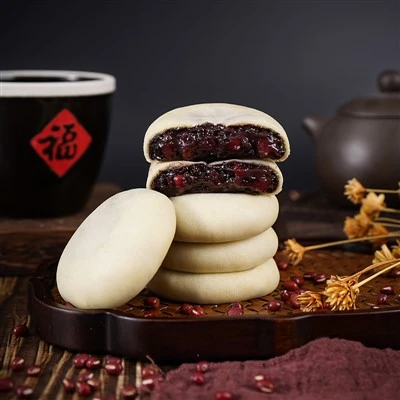
Let’s start with the basics of how frozen pastries are made and preserved. Most frozen pastries—croissants, Danish, puff pastry shells, even sweet rolls—are made with laminated dough, which means layers of butter, flour, water, and sometimes sugar, folded hundreds of times to create that light, flaky texture. When we freeze our products immediately after shaping, we lock in that structure at its peak, right before the baking process would set the layers. Freezing works by slowing down the chemical reactions that cause food to spoil, but it doesn’t stop them entirely. That’s where flavor loss comes in, and it’s not just one thing.
First, there’s the issue of fat oxidation. Butter is the main fat in most laminated pastries, and when it’s frozen, tiny ice crystals start to form over time. These crystals can rupture the cell walls of the butter, exposing the fat molecules to air. Over weeks and months, those fat molecules react with oxygen in a process called oxidation, which creates off-flavors—think a stale, cardboard-like taste or a bitter afternote. For croissants, this is especially noticeable because the fat is such a big part of their flavor; a fresh croissant’s richness comes from the butter, and if that butter oxidizes, that richness fades fast. Studies on frozen baked goods show that fat oxidation becomes a measurable issue after about 3 months of frozen storage, and by 6 months, the flavor can be significantly compromised. That’s why we label our products with a recommended “best by” window of 4 months from production, and we strongly advise customers to stick to that timeline to keep flavor intact.
Another factor is moisture loss. Frozen pastries have a small amount of water in their dough, and over time, if they’re not properly sealed, that water can sublimate—meaning it turns directly from ice into vapor, skipping the liquid phase. This is called freezer burn, and while it’s not dangerous, it leaves the pastry dry, tough, and flat in flavor. It’s more common if packaging is damaged, or if products are stored in a freezer that fluctuates in temperature (say, if the door is opened frequently or the freezer is set too warm). I’ve had a customer come to us once because their frozen cinnamon rolls tasted dry and bland, and when we looked at the way they were storing them, they were leaving the packaging partially open on a shelf next to the freezer door. Once they switched to sealing the rolls in an airtight container and storing them on a back shelf, the flavor came back almost entirely. That’s a simple fix that makes a huge difference.
Then there’s the loss of volatile flavor compounds. Flavor in pastries doesn’t just come from fat—it also comes from tiny, volatile molecules that are released when you bake them, or even when you take a bite. Things like the buttery aroma, the hint of vanilla in a Danish, or the nutty note in an almond croissant are made of these small compounds. When you freeze a pastry, these volatile molecules start to escape through the packaging, especially if the packaging isn’t designed to block small gases. Most frozen pastry suppliers use packaging with a layer of plastic or aluminum foil to trap these compounds, but over time, some still seep out. The longer the pastry is frozen, the more of these flavors are lost, which is why pastries that are frozen for a year or more often taste flat, even if they look fine.
Now, it’s worth noting that not all frozen pastries lose flavor at the same rate. Puff pastry shells, for example, have less fat and fewer added flavorings than a fruit-filled Danish, so they tend to hold up a bit better in the freezer. Fruit-filled pastries, though, have their own set of issues: the fruit filling can break down over time, turning from bright, sweet-tart flavor to a mushy, bland mess as its sugars and acids react in the cold. That’s why we use quick-frozen fruit fillings—we flash-freeze them at -40 degrees Fahrenheit immediately after they’re made, which locks in the fruit’s texture and flavor— but even with that, the filling will start to degrade after 5 months, faster than the pastry shell itself.
I’ve tested this myself with a side-by-side comparison. Last year, I set aside two batches of our signature butter croissants: one frozen for 1 month, and one frozen for 6 months. When we baked them, the 1-month-old croissant had that classic golden flake, a rich buttery smell when it came out of the oven, and a soft, melt-in-your-mouth texture. The 6-month-old croissant was flaky enough, but the aroma was muted, the taste had a faint stale note, and the inside was a bit drier. That’s exactly what food science research backs up: a study from the American Chemical Society found that frozen baked goods lose up to 30% of their key flavor compounds after 6 months of frozen storage, compared to their fresh counterparts.
But here’s the good news: if you’re using frozen pastries, there are ways to almost reverse some of that flavor loss, or at least minimize it. First, storage is everything. If you’re a café or restaurant, don’t leave your frozen pastries in the front of the freezer where the temperature changes every time the door opens. Store them on a back shelf where the temperature stays consistent. Keep them in their original sealed packaging, or if you’ve opened them, transfer them to an airtight freezer container—even a heavy-duty zip-top bag pressed to remove all air works. Second, thaw and bake correctly. A lot of people make the mistake of thawing frozen pastries in the microwave, which makes them soggy and releases even more flavor. Instead, thaw them slowly in the refrigerator overnight, or bake them directly from frozen (add 2-3 minutes to the baking time) to lock in the flavors. That extra time in the oven helps reactivate some of the volatile flavor compounds that started to fade.
As a supplier, we’ve worked hard to develop products that hold flavor as long as possible. We use high-quality European butter in our laminated dough, which has a higher fat content than regular butter and is more resistant to oxidation. Our packaging is made with a multi-layered film that blocks oxygen and moisture, so less of those flavor compounds escape. We also use a quick-freeze process that forms smaller ice crystals, which means less cell damage to the dough and butter—so the texture and flavor stay intact longer. That’s why our recommended best by date is 4 months, but even we’ll admit that after 6 months, the flavor starts to slip.
I get why some people are skeptical about frozen pastries compared to fresh. When I first started in this industry 15 years ago, frozen pastries had a reputation for being bland and low-quality, because manufacturers would cut corners on fat and flavor to extend shelf life. But that’s not the case anymore. Modern freezing technology and better ingredients mean that frozen pastries can taste almost as good as fresh, as long as they’re stored and handled properly. The key is understanding that flavor loss is a gradual process, not an instant one, so planning your orders to match your usage is a smart move. If you’re a small café that only sells 50 croissants a week, order a 2-month supply instead of a 6-month supply, and you’ll notice a huge difference in taste.
If you’re a business owner looking for frozen pastries that deliver consistent, great flavor without the hassle of baking from scratch every morning, we can help. We offer a range of products, from plain puff pastry shells to fruit-filled danishes and cinnamon rolls, all made with high-quality ingredients and designed to hold their flavor for up to 4 months when stored correctly. To learn more about our products, pricing, and how we can work with your business to ensure you get the freshest, most flavorful frozen pastries for your menu, reach out to our team to discuss your needs. We’re here to help you find the right solutions to keep your customers coming back for more.
Puffed Food References
- American Chemical Society. (2020). Flavor stability in frozen baked goods: Effects of long-term storage on volatile compound retention. Journal of Agricultural and Food Chemistry.
- Food and Drug Administration. (2018). Freezing and food quality: Best practices for frozen food storage. FDA Food Safety Bulletin.
- International Association of Food Industry Suppliers. (2021). Laminated dough product quality: Storage effects on texture and flavor. IAFIS Technical Report.
- University of California, Davis. (2019). Fat oxidation in frozen dairy-based products: Mechanisms and mitigation strategies. UC Davis Food Science Extension.
Fujian Luchen Food Co., Ltd.
As one of the most professional frozen pastries manufacturers and suppliers in China since 1986, our products have good reputation in the market. Please feel free to wholesale bulk delicious frozen pastries from our factory. Good service and quality products are available.
Address: No. 19, Shangxipulou, Nansheng Town, Pinghe County, Zhangzhou City, Fujian Province
E-mail: service@xmnahan.com
WebSite: https://www.luchenbakery.com/
