If you’re in the ceiling t grid game, you know the main production line gets all the hype—stamping, welding, coating, cutting, that’s where the magic happens. But the auxiliary stuff? That’s the glue that keeps the whole line from grinding to a halt. As a supplier who’s spent years tweaking these setups for small shops and big commercial operations alike, I’ve seen so many teams cut corners here and end up with jams, scrap, and missed deadlines. Let’s break down exactly what you can’t skip for your auxiliary process, no fancy jargon, just what actually works day to day. Ceiling T Grid Production Line
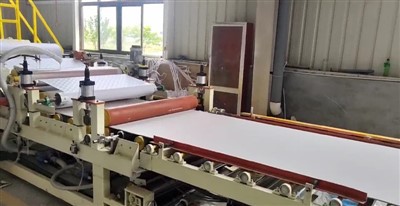
First off, let’s talk about raw material prep—this is the first stop that no one talks about enough. Your main line can’t run if your coils or sheets aren’t ready to go. I’ve seen guys try to feed a 16-gauge steel coil straight from the pallet into the stamping machine and end up with kinks that jam the line for an hour. So what do you need here? A coil uncoiler with tension control. Wait, not just any uncoiler—one with adjustable tension for different gauges, because a 12-gauge coil needs way tighter tension than a thinner aluminum one. It doesn’t have to be super high-end; even a hydraulic uncoiler with a speed match to the main line works, just make sure it can hold the coil weight you’re using (most standard ceiling t grids use 2,000 to 5,000 lb coils, so don’t skimp here). Then there’s a straightener and leveler combo. Even if your coil looks flat, it’s got tiny bends from shipping. A 3-roller straightener for thinner sheets, 5-roller for heavier steel, will smooth that out so the main stamping machine doesn’t have to fight it. I once helped a shop upgrade from a basic 2-roller straightener and cut their initial scrap rate by 12%—that’s pure cash back in their pocket.
Next up, the mid-line auxiliaries. This is the stuff that happens between the main stamping/welding and the final finishing or cutting. One big pain point here is part handling. When you stamp thousands of t grids an hour, they can pile up, get dented, or get mixed up if you don’t have the right helpers. So parts conveyors are non-negotiable. Not just a regular conveyor—modular slat conveyors, because they’re easy to adjust if you change the t grid size (say, from 15/16” to 24” grids). Some folks use belt conveyors, but those can scratch coated parts, so if you’re doing pre-coated steel or aluminum, go with a vinyl-slatted one. Also, part accumulators are a lifesaver if your main line has a slight speed blip. If the line slows down for a die change, an accumulator holds a small stock of grids so the finishing process doesn’t stop too. Skip the old-style large accumulators; compact, vertical ones that fit right next to the main line take up way less floor space—huge win for smaller shops.
Then we’re into the finishing auxiliaries. Ceiling t grids need a smooth, even finish to prevent rust and look good, so the aux here matters a lot. First, for pre-treatment before coating, you can’t just spray water on them. A spray washer system with multiple stages: alkaline cleaner, rinse, phosphate coating, final rinse. The key here is that it’s automated—manual spraying means inconsistent coverage, which leads to chipped coating down the line. You want a system that’s sized to match your main line speed; if your line runs 60 feet per minute, your spray washer should move at the same pace so every part gets the same treatment. If you’re powder coating instead of wet paint, you’ll need a powder recovery unit. This catches any overspray, so you can reuse 90% of the powder instead of throwing it away. I’ve had clients who skipped this and ended up wasting $500+ a week in powder—total no-brainer.
Wait, don’t forget quality control auxiliaries. You can’t just ship every grid without checking. Basic stuff like a digital caliper and thickness gauge for quick checks, but for high-volume lines, an inline inspection system works way better. These are usually cameras that check for dents, misaligned holes, and coating thickness as the grids move down the line. Some are even set up to automatically flag bad parts and push them off the conveyor, so you don’t have a human checking every single one. I always recommend going with a system that integrates with your main line’s control panel—no extra training for your operators, just a simple monitor they glance at once in a while. Also, a small test cut station: every shift, pull a sample grid, check the slot size, the fit of the cross tees, to make sure the main line’s dies are still aligned. A 10-minute test here can save you from a whole batch of bad grids later.
Packaging is the final auxiliary step, and it’s where so many shipments get damaged. If your grids are scratched or bent in packaging, you’re gonna have returns, which kills your bottom line. First, you need a bundler. This ties grids into neat stacks so they’re easy to handle. Look for one that’s adjustable for stack size—you might bundle 50 grids for a small job, 200 for a big commercial install. Then, a stretch wrapper for the bundles to keep them tight on pallets. I know some guys use shrink wrap, but stretch wrap is cheaper and works just as well for most ceiling t grid shipments. Also, don’t skip edge protectors. Sliding cardboard or plastic edge protectors onto the corners of pallet stacks prevents the edges from getting crushed during transport. One client of mine stopped using edge protectors and had a 8% return rate; after adding them, it dropped to less than 1%—that’s a massive difference.
Now, a quick real-world note: I work with shops that have 2 main lines and only a small space, so we don’t load them up with 10 extra machines. For example, if you’re running a low-to-medium volume line, you can skip a fancy full accumulator and use a temporary roller table to hold extra parts during speed blips. If you’re a high-volume shop, splurge a little on the automated inspection and powder recovery—they pay for themselves in 6 months. The worst mistake I see is people buying the cheapest auxiliary gear to save cash, then dealing with constant downtime and scrap. It’s way better to get gear that matches your line’s speed and your production volume.
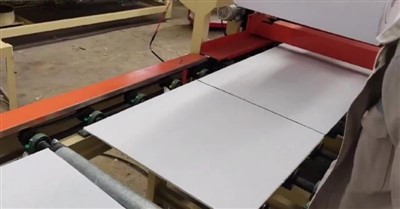
At the end of the day, the auxiliary process isn’t just “extra stuff”—it’s what makes your main line run smoothly, cuts your costs, and keeps your customers happy. If you’re setting up a new ceiling t grid line or upgrading your current auxiliaries, you don’t have to figure it out alone. Reach out to chat through what you need, no pressure, just real talk about what works for your shop.
PVC Gypsum Board Production Line References
- Modern Metalworking Equipment. Metal Forming Auxiliary Systems for High-Volume Production, 2022.
- Ceiling and Interior Systems Manufacturing. Auxiliary Process Best Practices for T-Grid Production, 2021.
- Industrial Conveyor Association. Compact Accumulators and Modular Conveyors for Small-Footprint Production Lines, 2023.
- Powder Coating Technology. Overspray Recovery Systems for Metal Components, 2022.
Hebei Enjoy Technology Co., Ltd.
Hebei Enjoy Technology Co., Ltd. is one of the most professional manufacturers and suppliers of ceiling t grid production line in China. With abundant experience, we warmly welcome you to buy high quality building material machinery made in China here from our factory. Contact us for more details.
Address: Jiuling Building, Xinhua District, Shijiazhuang City, Hebei Province, China
E-mail: Betty@seyibm.com
WebSite: https://www.enjoymachinery.com/
